Glenside Hospital’s wards + homes
Sleep and sanity: Why is rest so important?
The 5 pillars of historic mental health care
At Glenside Hospital Museum, our collection offers a detailed insight into how Victorian county asylums set out to care for people experiencing mental illness. Despite the bleak stereotypes, these institutions were originally envisioned as safe, structured places where patients could recover with dignity.
Care in these asylums centred around five key pillars: nourishing food, gentle daily exercise, meaningful occupation, ample rest, and a homely environment designed to lift the spirits. Together, these principles formed the foundation of what was then considered progressive mental health treatment.
This blog is one instalment within a five-part series exploring how Glenside Hospital put these ideals into practice. Each instalment will reveal a different aspect of historic care, drawing on stories and objects from our collection to bring the past to life.
Busying the mind
Finding a purposeful occupation
How would you feel if you were confined to a hospital ward with nothing to occupy your time, and little or no chance to leave?
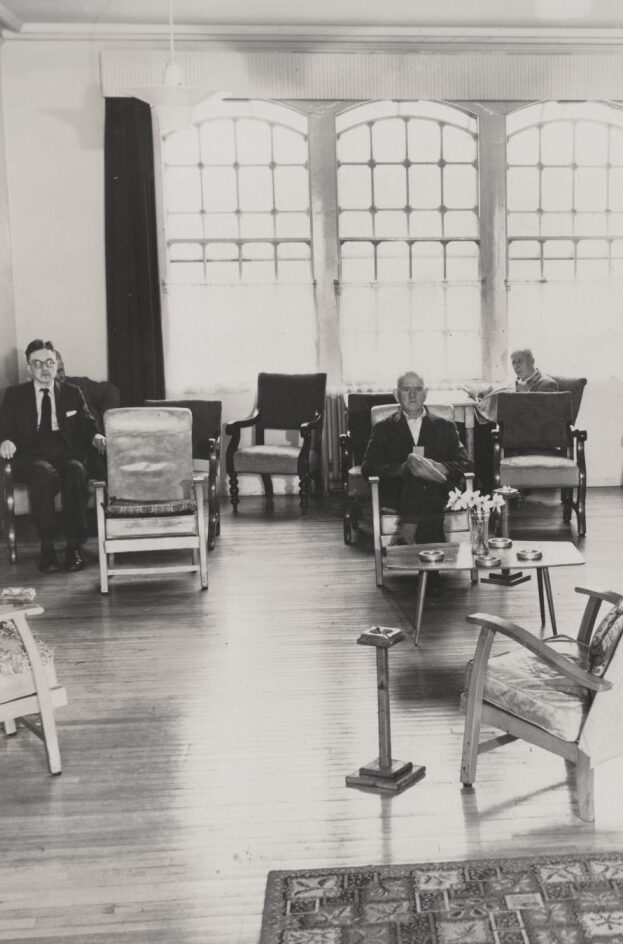
Placing ourselves in the position of patients within a mental health institution, it becomes clear that purposeful daily activity could play an important role in easing some aspects of their distress.
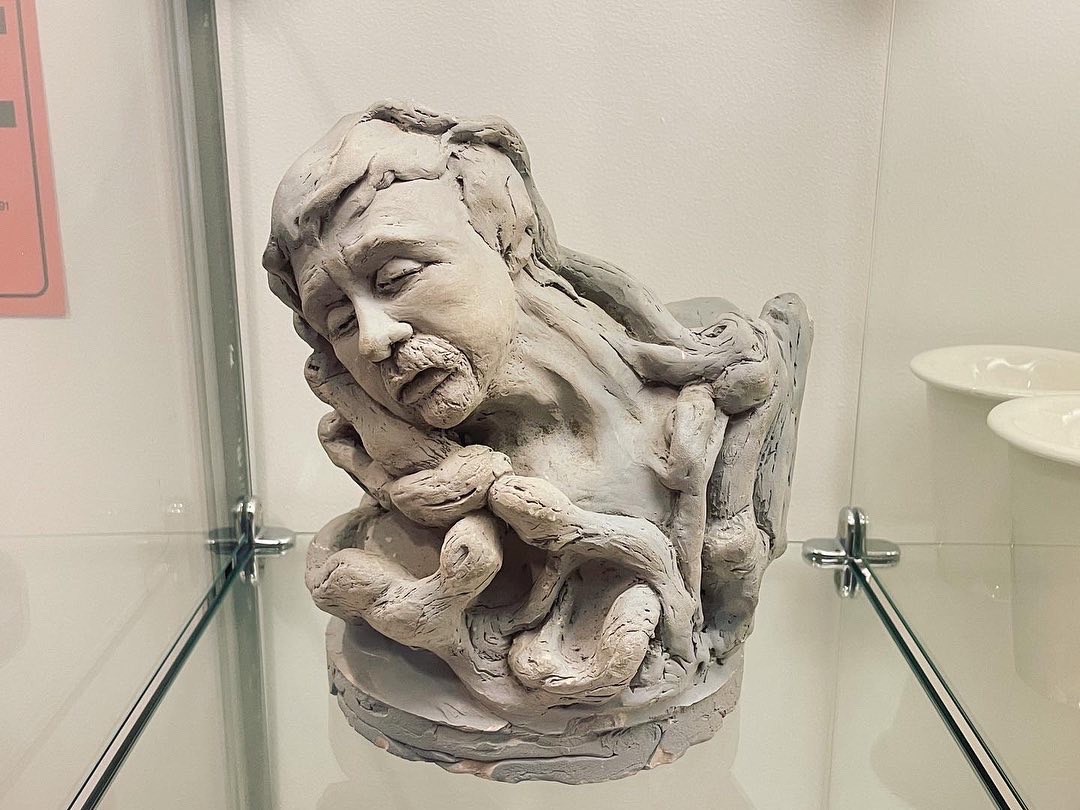
We see a great example of purposeful activity in Denis Reed, an artist who became a Glenside Hospital patient and was encouraged by his psychiatrist to continue to creating art during his stay.
The Bristol Lunatic Asylum was built in 1861 (later renamed Glenside Hospital). It was founded on the guiding principles of moral treatment, drawing inspiration from The Retreat in York, a pioneering institution established in 1796 by Quaker William Tuke. This approach promoted humane and compassionate care for those experiencing mental illness, in stark contrast to the harsh and punitive practices of earlier years.
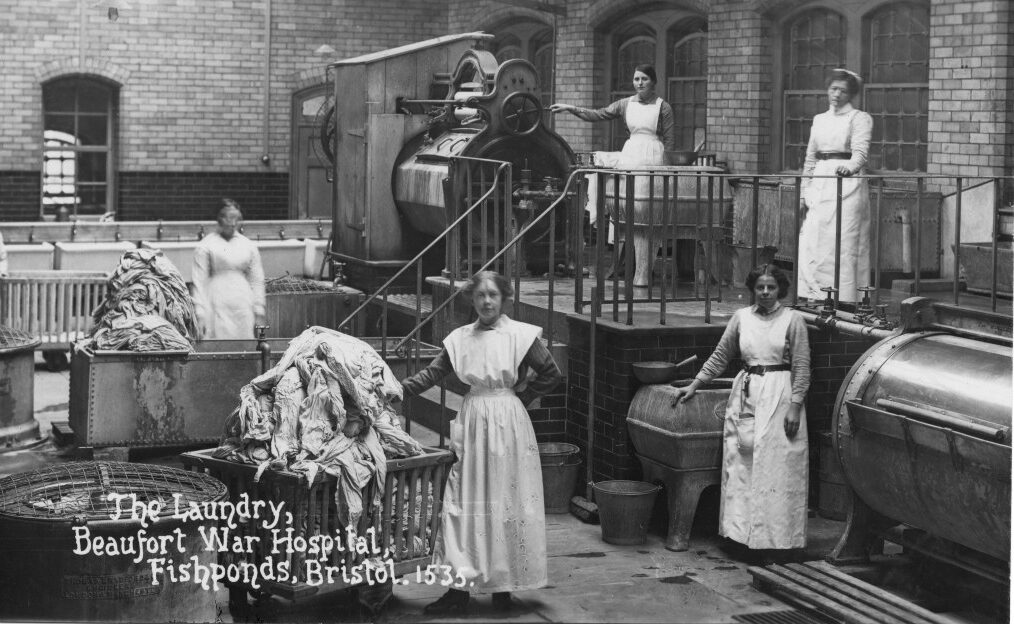
The hospital laundry pictured during WW1 (when it served as Beaufort War Hospital )
The working life of Victorian patients
In the late 1800s and early 1900s patients who were physically able had a range of opportunities to take part in work around the hospital. The most common occupation for both female and male patients was assisting on the wards, since naturally there was much to be done.
Women were typically assigned to the laundry and kitchens, or engaged in dressmaking and general needlework.
Aside from ward work men most frequently took on manual labour in the hospital gardens and on the farm, as well as duties in the cellar and stores.
Male patients also contributed to a variety of tasks, including painting and assisting in the kitchen and bakehouse. Many took part in skilled crafts across different hospital workshops, such as carpentry, upholstery, tailoring, and shoemaking.
Records indicate that some men were employed in the laundry as well, though in much smaller numbers than women.
Did you know?
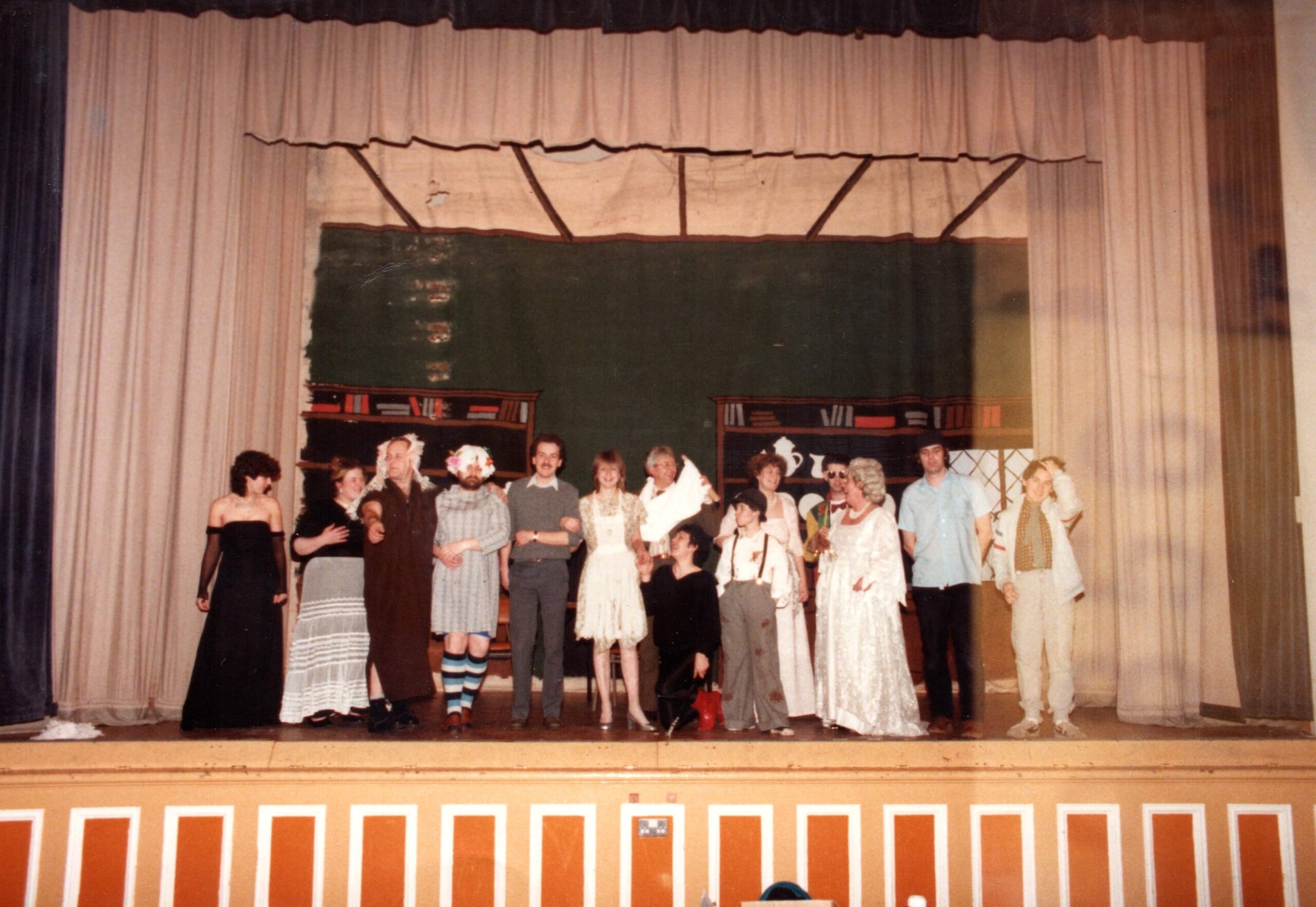
Glenside Hospital Christmas panto c.1983
Rest and recreation
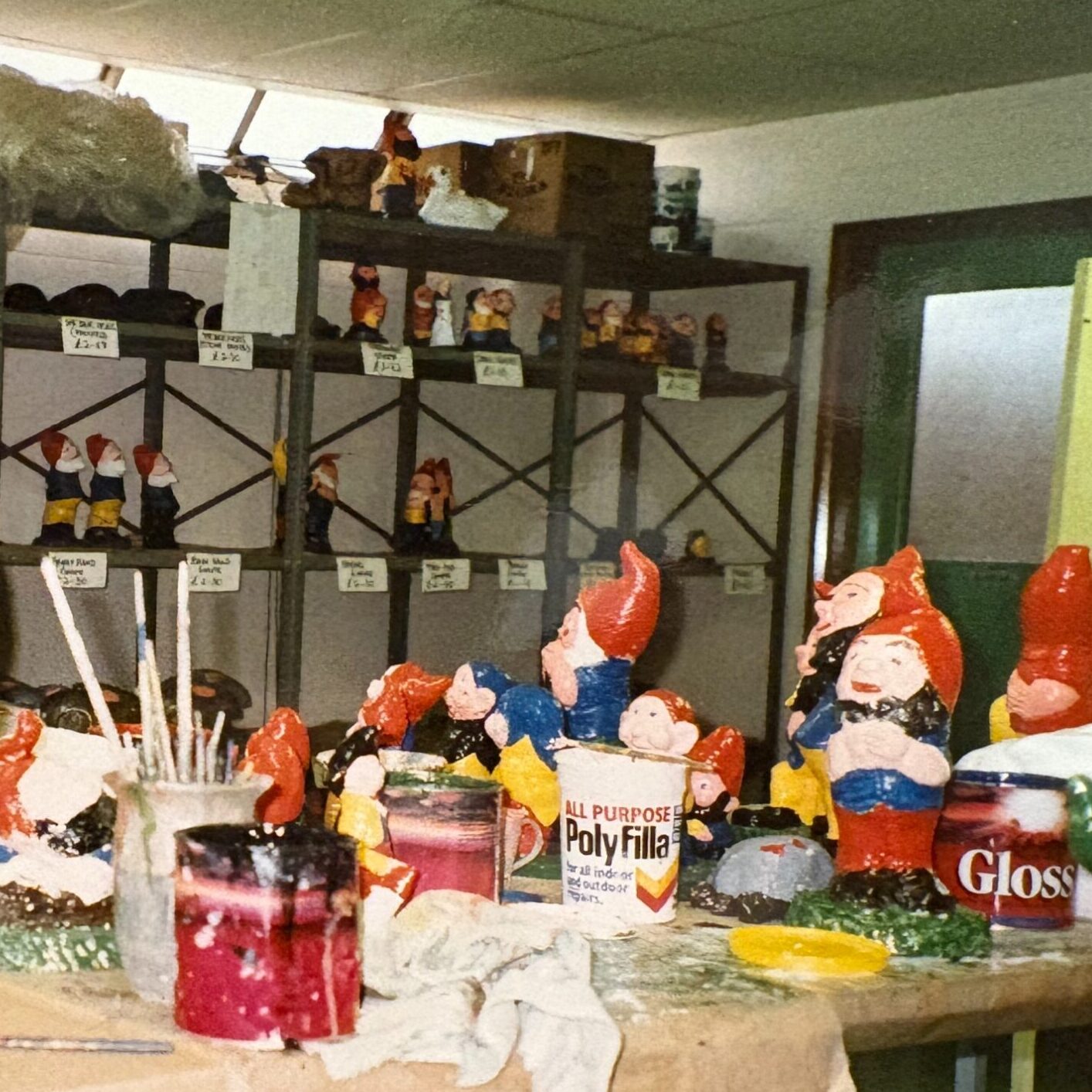


Glenside Hospital tuck shop, for patients and staff
A new era in patient occupation
In 1948, the creation of the National Health Service (NHS) brought Glenside under its management, and the institution was renamed Glenside Hospital.
Occupational activities which were once a key feature of daily hospital life, were significantly reduced. For one patient, this proved catastrophic:
When the hospital became an NHS facility in 1948 many changes occurred. These were mostly positive but some had unhappy effects, as in the case of long term resident patient who for years had successfully managed the patients’ shop.The new administrative correctness required that professional business supervision be provided.The patient was asked to resign to make way for a paid shopkeeper. His small stipend was continued but his loss of status led to relapse into deep depression, a condition from which he had been free for several years. He never recovered, and later took his own life- Excerpt from The Lunatic Pauper Palace by Dr Donal EarlyA complete history of the hospital, available in Glenside Hospital Museum gift shop

A pioneering project: The Industrial Therapy Organisation (ITO)
The 1950s also marked the beginning of a new chapter in mental health treatment. Medical advances made with the arrival of medications such as chlorpromazine and early antidepressants enabled many long-term patients to better manage their conditions and, in some cases, regain greater independence.
In 1957, consultant psychiatrist Dr. Donal Early, founder of Glenside Hospital Museum, launched a pioneering initiative: industrial rehabilitation.
First launched on site at Glenside Hospital, this program sought to provide meaningful, paid work to patients as a tool for recovery. From 1960, instead of solely working in occupations at the hospital, patients could join paid initiatives outside the hospital during the day. They had staff supervision at all times, often undertaking basic production-line tasks in local factories, or working at the ITO car wash. Every patient would return to Glenside Hospital at night.
You can fully explore the story of ITO by visiting this page on our website, or exploring the display at our museum.
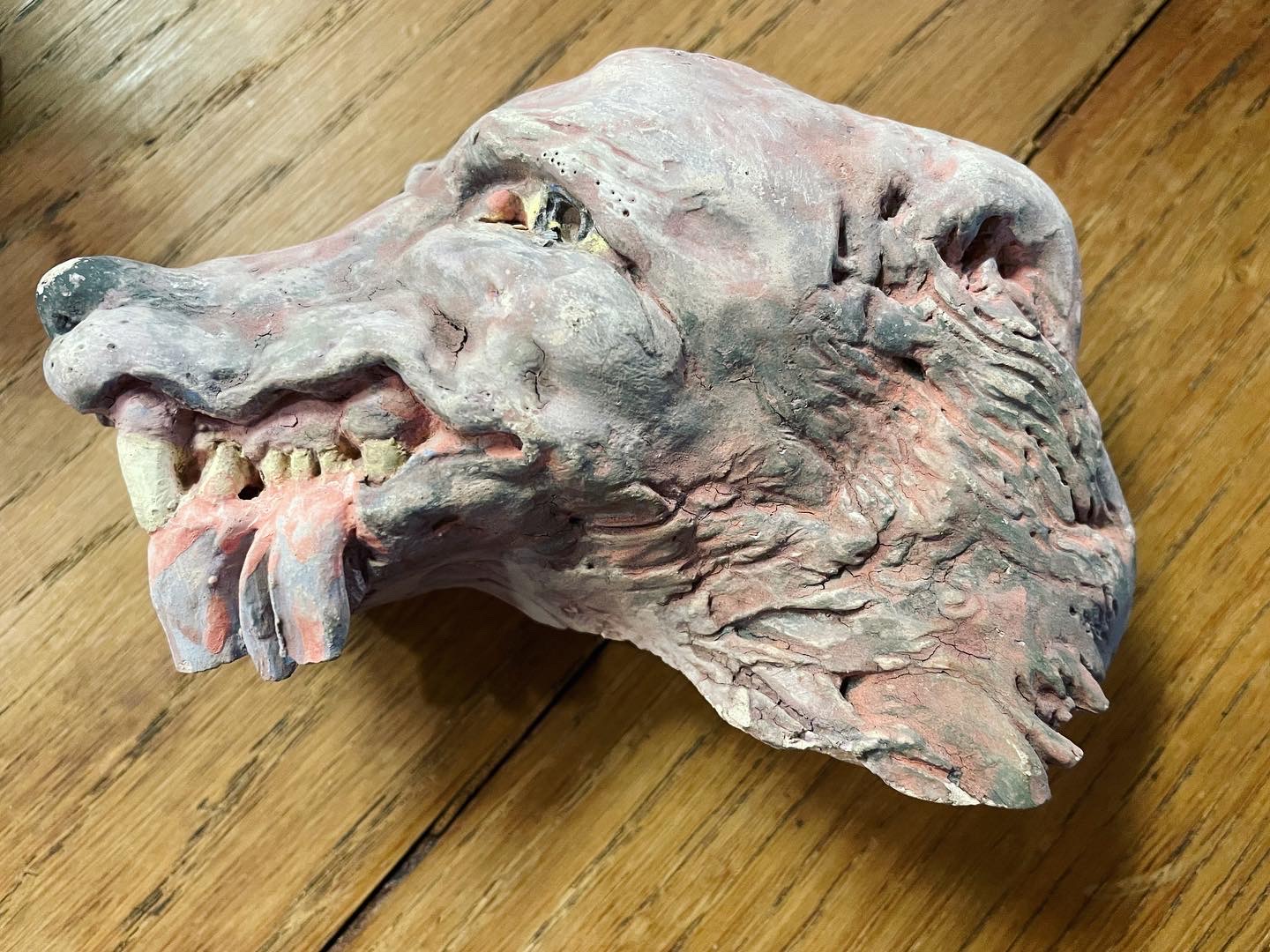
Patient art and occupation
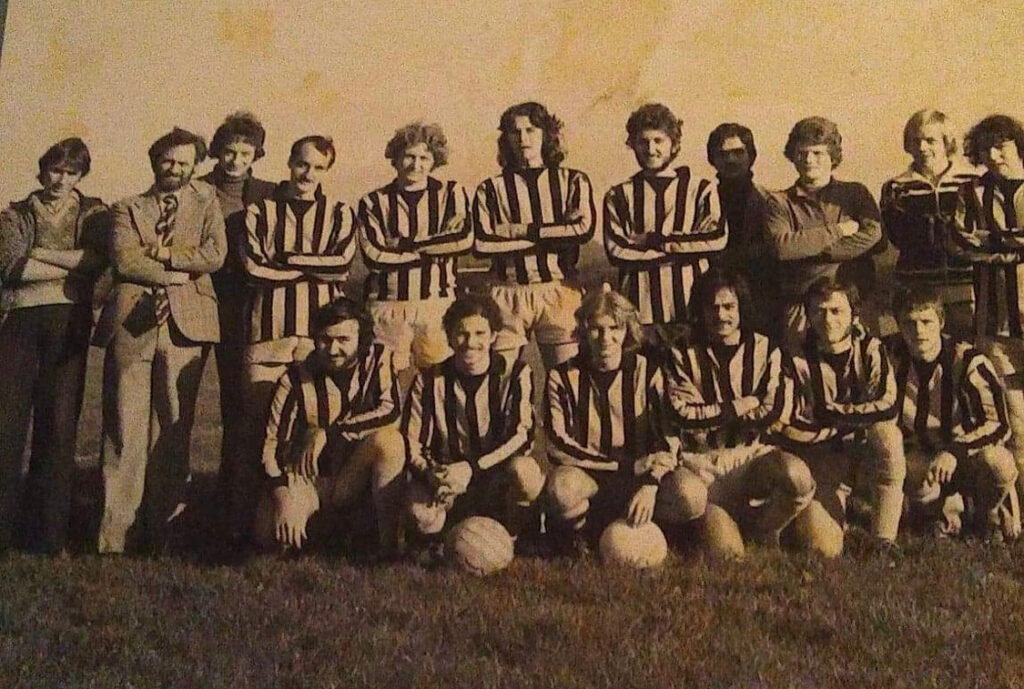
From its inception the hospital recognised the importance of keeping a troubled mind occupied. This varied from work-focused tasks, through to art, gentle exercise and sport. Not all patients were able to participate, while some chose not to.
At Glenside Hospital Museum, our collection includes artworks created by patients at the hospital, along with objects connected to a range of occupations - both those carried out within Glenside and via the Industrial Therapy Organisation.

Explore the 5 pillars of early mental health care via the following blog posts:
Better still, pay us a visit at the museum or visit us virtually using the Bloomberg Connects app.


Contact us about the museum