Occupational health: The healing power of purpose
A history of hospital food: feeding body and mind
The 5 pillars of historic mental health care
At Glenside Hospital Museum, our collection offers a detailed insight into how Victorian county asylums set out to care for people experiencing mental illness. Despite the bleak stereotypes, these institutions were originally envisioned as safe, structured places where patients could recover with dignity.
Care in these asylums centred around five key pillars: nourishing food, gentle daily exercise, meaningful occupation, ample rest, and a homely environment designed to lift the spirits. Together, these principles formed the foundation of what was then considered progressive mental health treatment.
This blog is one instalment within a five-part series exploring how Glenside Hospital put these ideals into practice. Each instalment will reveal a different aspect of historic care, drawing on stories and objects from our collection to bring the past to life.

Resting for recovery
A bed for the night
The hospital opened as the Bristol Lunatic Asylum in 1861. In a time that pre-dated medication to treat mental illness, the hospital placed great importance on the restorative power of sleep, plus the balance between activity and rest.
Each ward had a dormitory with single beds made up for each patient with linen, blankets, and a pillow. Many patients came from poorer backgrounds and may never have had a bed of their own, or had perhaps shared sleeping quarters with relatives. So while the provision of a proper bed might not sound especially luxurious for most of us today, for some it was already a huge head-start in the quest for a good night's rest.
Today, most people know that keeping a consistent sleep–wake routine supports better quality sleep. What is less widely appreciated, however, is the profound impact that sleep loss can have on mental health.
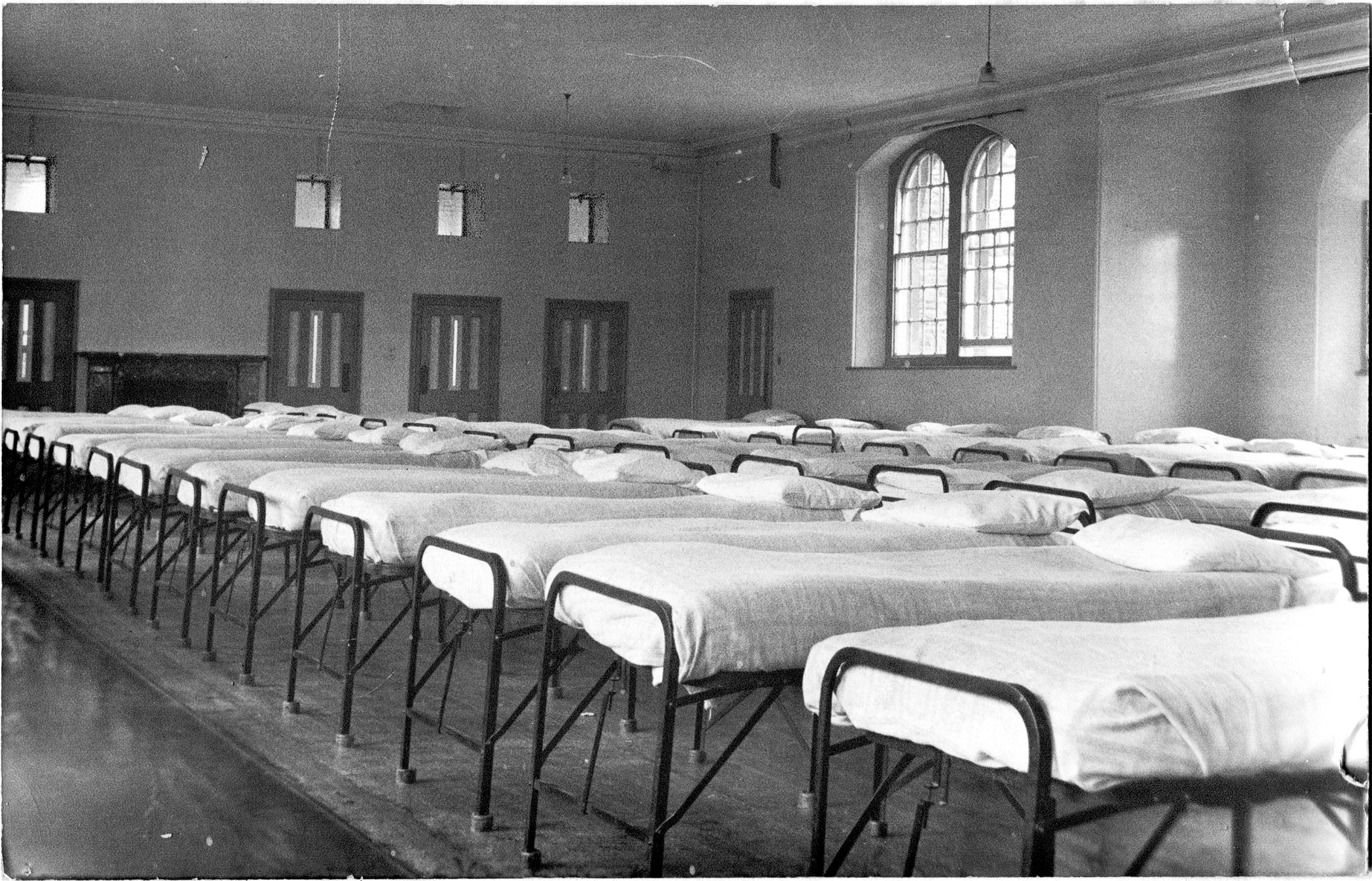
Dormitory beds on Ward 5 at Glenside Hospital, 1950s
The power of daily routine
As is typical in hospitals, patients had a daily routine set by staff. This may not necessarily sound appealing, but it was key in maintaining some regularity throughout the days and nights.
In the early days of the asylum, we know that patients would rise for breakfast at 7am in summer (8am in winter) and then begin morning prayers.
By mid-morning the patients would undertake their occupations at the hospital. Though you may not immediately recognise the link between work and sleep, the occupations at the hospital during these time were primarily manual labour: women manoeuvring mountains of bed sheets and clothing in the hot environment of the laundry, while men worked on the hospital farm and gardens.
In addition to their occupations, after lunch, patients were taken on compulsory daily walks of the grounds each afternoon, to ensure adequate exercise.
Modern science affords us knowledge that that Victorians did not possess, primarily that physical activity promotes better sleep, potentially increasing slow-wave (deep, restorative) sleep.
An early dinner was taken between 5-6pm with staff closing the window shutters by 7.30pm to signal the close of day. Patients were settled in bed by 8pm.
Did you know?
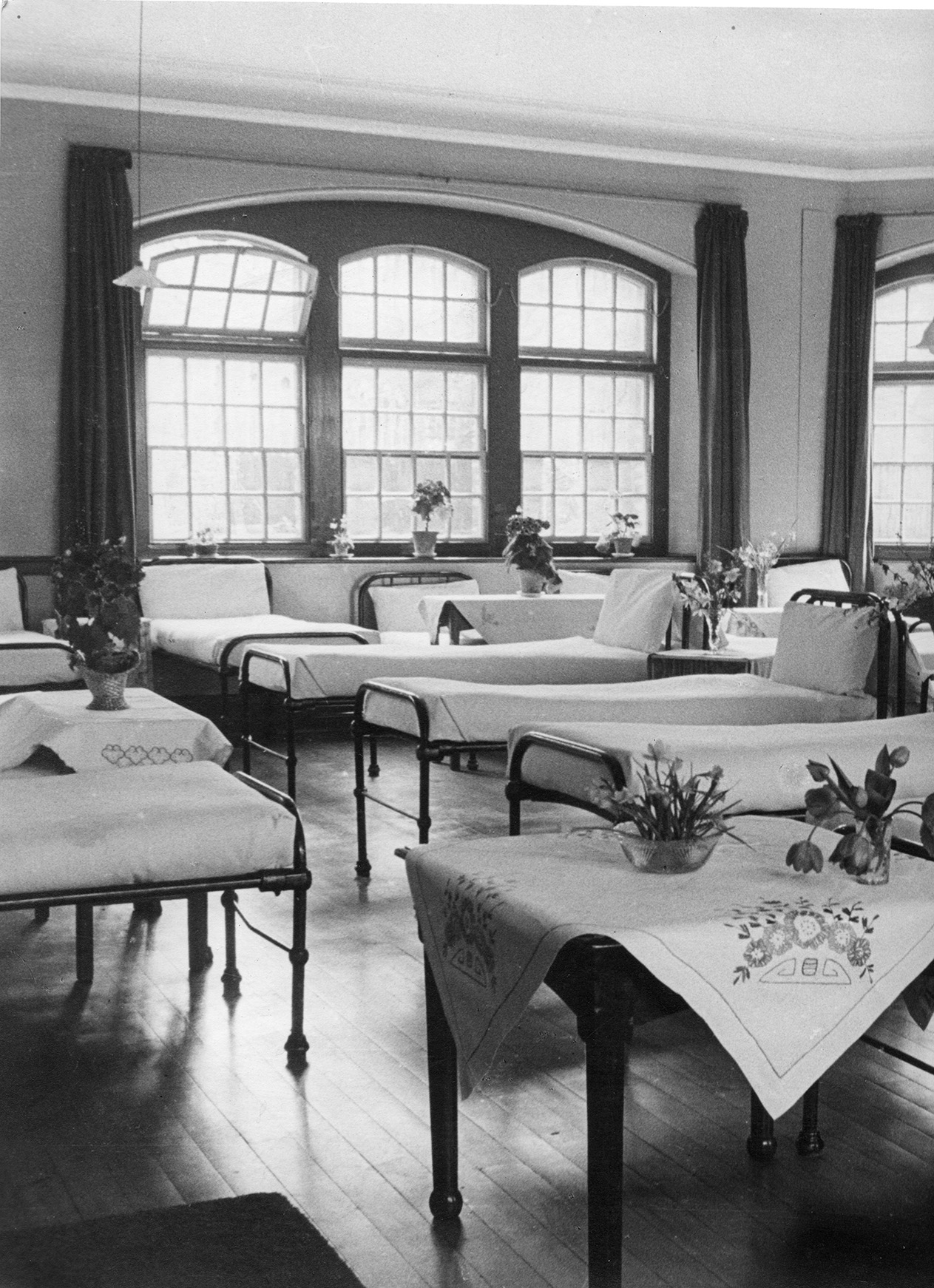
Dormitory beds at Glenside Hospital
The communal bedroom
The hospital gardeners provided fresh flowers for the wards, and and many familiar domestic touches can be seen here: openable windows dressed with long curtains, for instance.
In Victorian times, it was believed that a hospital for the mentally ill should resemble a private home as closely as possible, a principle largely lost due to the practical demands of modern infection control.
As we can see, Glenside Hospital embraced this concept well into the 20th century.
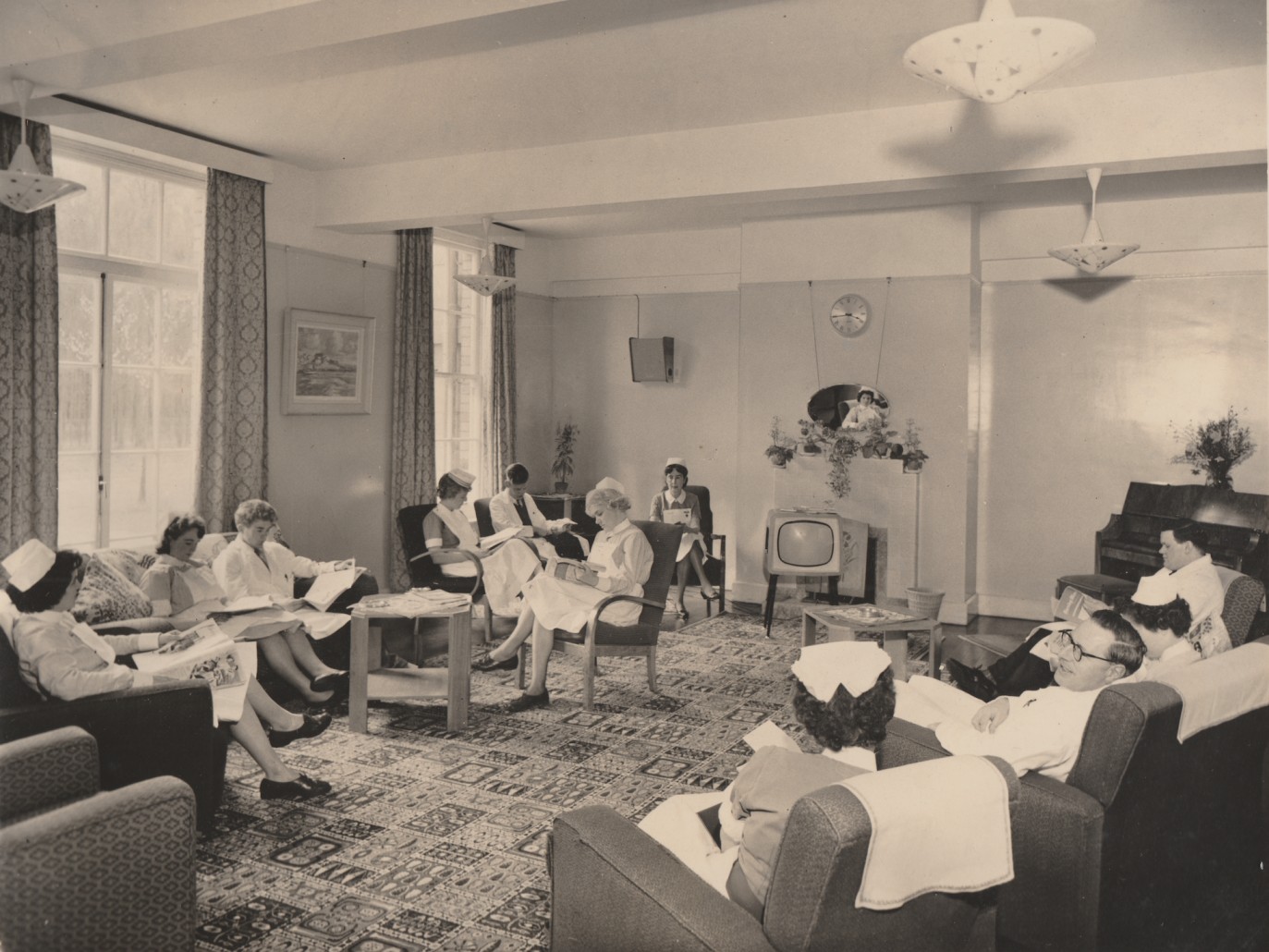
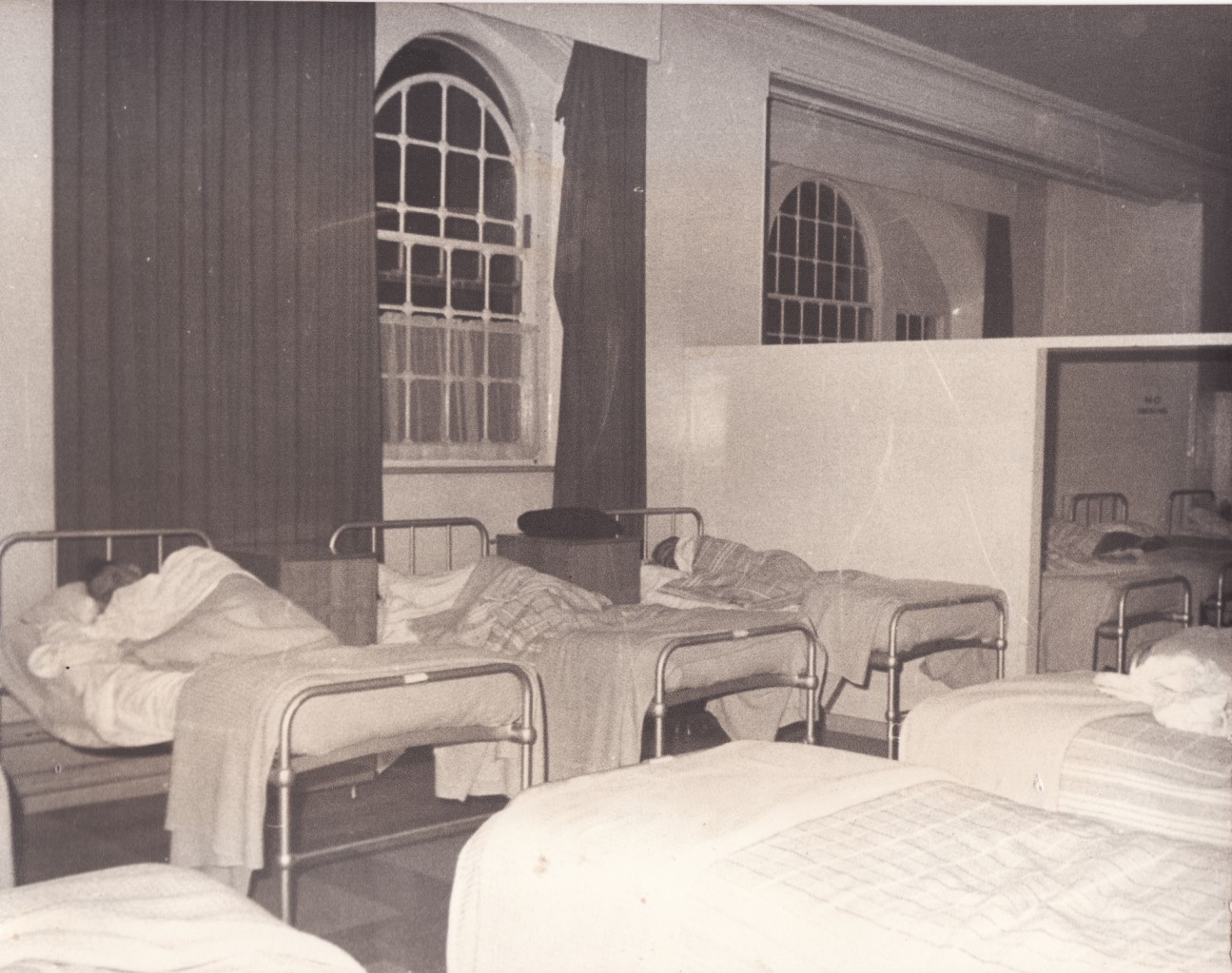
Resting in the day rooms & wards
For daily rest and entertainment in the day rooms there was access to the radio, newspapers, magazines and games including cribbage, draughts and chess.
As it was in many institutions, smoking was part of everyday life at Glenside Hospital. Many patients would spend their days chain-smoking cigarettes. At the time, it was permitted not only in the day rooms but also on the wards.
Smoking played an important role in the lives of psychiatric patients. An activity that was within their control. Although ultimately unhealthy, smoking did introduce the potential of social exchange between people: other patients and the staff who cared for them.
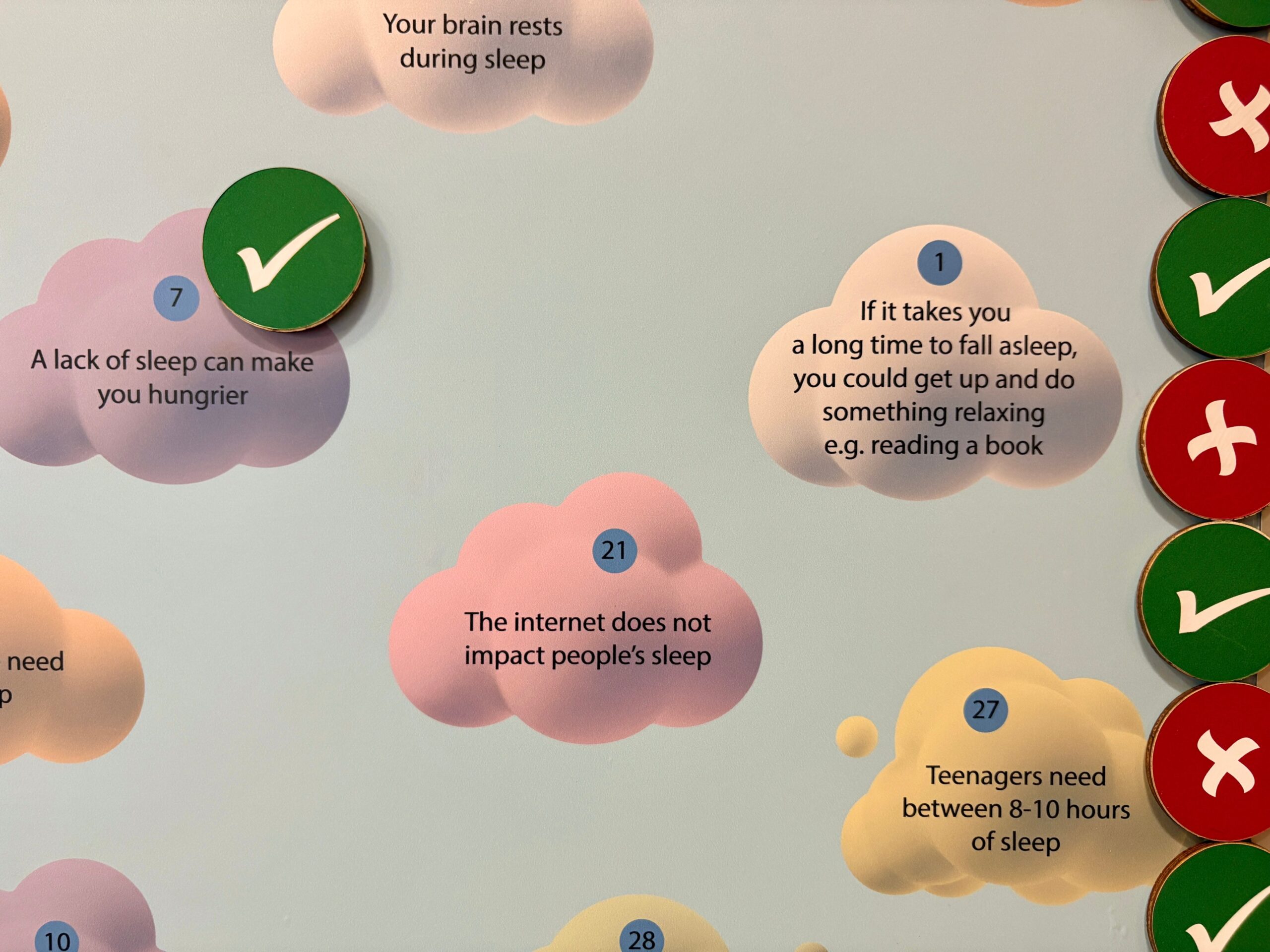
Interactive sleep display at Glenside Hospital Museum
The influence of sleep on mental wellbeing
Did you know?
- Poor or insufficient sleep increases negative emotional responses to stressors and decreases positive emotions.
- Going without sleep for 24 hours has the same effect as a blood alcohol level of 0.1%, well over the U.K. drink drive limit.
- A lack of sleep can make you hungrier.
We're sure you do know that scientists recommend most people function best on 8 hours sleep...but do you know why?
A good night’s sleep does more for your mind than you might think. Among other things, our brains undertake important maintenance tasks while we sleep, such as processing emotions and restoring balance to mood-regulating neurotransmitters ("brain chemicals" like serotonin and dopamine).
During sleep the mind and body recover, which improves focus, emotional resilience, and overall stability. Without enough rest, everything feels harder.
Sleeping with a mental health condition
Sleep deprivation can both contribute to and worsen common mental health conditions such as anxiety and depression.
People living with bipolar disorder are particularly sensitive to sleep disruption, since missed sleep can trigger manic episodes or deepen periods of depression.
In schizophernia, sleep disturbance is common and can worsen confusion, mood changes, and symptoms such as hallucinations.
Sadly, mental illnesses can also make it harder for the sufferer to sleep soundly. Thus, the hospital tried to regulate the daily routine of patients so that they obtained the correct balance of activity, rest while awake, and adequate sleep at night.
If you're curious to take a deeper dive into cutting edge sleep science we thoroughly recommend Matthew Walker's 2017 book Why We Sleep.
Visit our collection
The restorative power of sleep should not be underestimated, whether you live with a mental health condition or not.
Should you wish to test your sleep knowledge, pay us a visit at Glenside Hospital Museum in Bristol and head over to our curated sleep display.
You'll also have a chance to walk in to a mock up of a patient's quarters.

Explore the 5 pillars of early mental health care via the following blog posts:
Better still, pay us a visit at the museum or visit us virtually using the Bloomberg Connects app.


Contact us about the museum