Beyond bricks and mortar: hospital design to heal the mind
The 5 pillars of historic mental health care
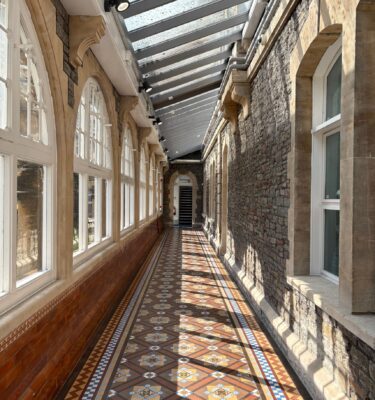
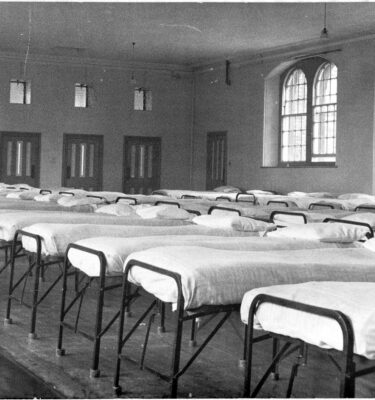
At Glenside Hospital Museum, our collection offers a detailed insight into how Victorian county asylums set out to care for people experiencing mental illness. Despite the bleak stereotypes, these institutions were originally envisioned as safe, structured places where patients could recover with dignity.
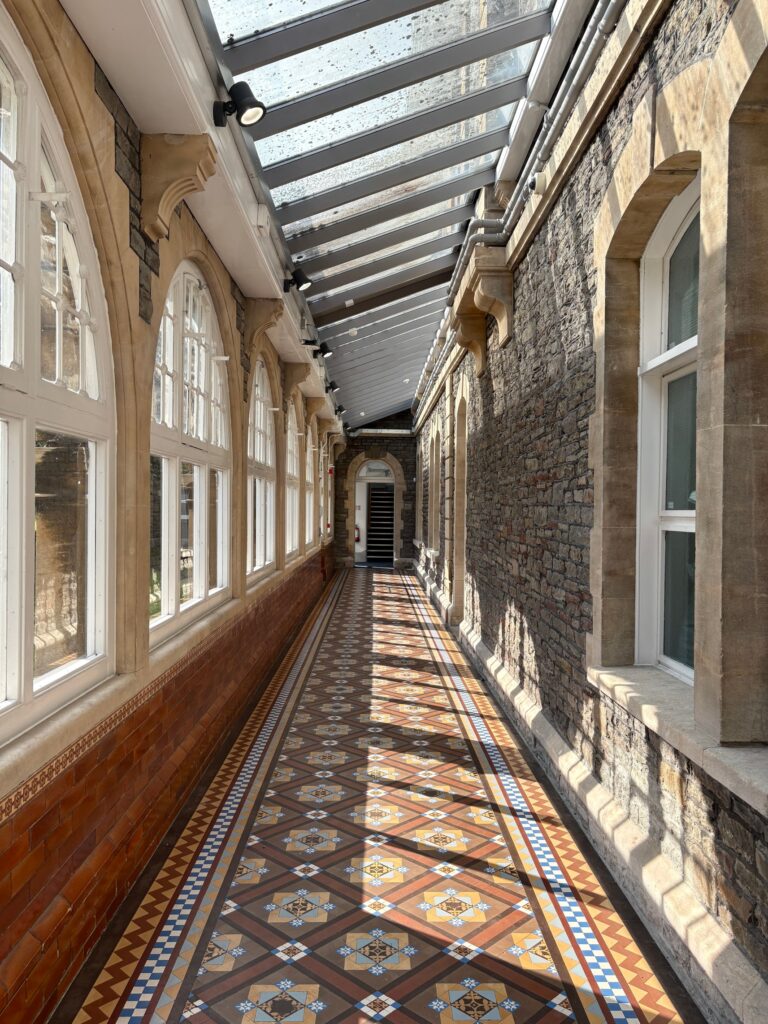
Care in these asylums centred around five key pillars: nourishing food, gentle daily exercise, meaningful occupation, ample rest, and a homely environment designed to lift the spirits. Together, these principles formed the foundation of what was then considered progressive mental health treatment.
This blog is one instalment within a five-part series exploring how Glenside Hospital put these ideals into practice. Each instalment will reveal a different aspect of historic care, drawing on stories and objects from our collection to bring the past to life.
Healthy body, healthy mind
How exercise shaped early psychiatric care
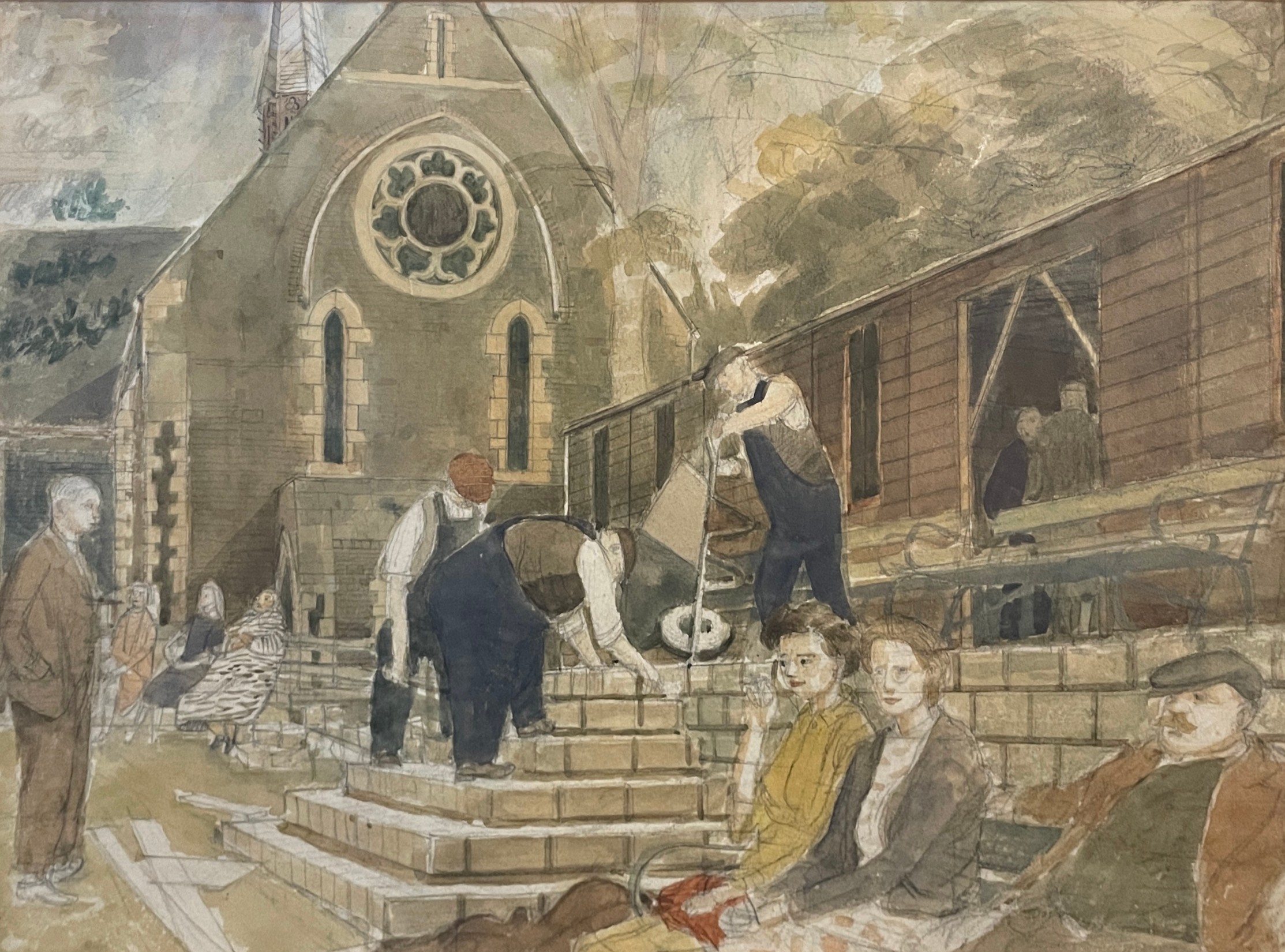
Denis Reed artwork of the construction of the cricket pavilion at Glenside Hospital, 1950s
Staying active
The "moral treatment" method popularised by Quaker William Tuke at The Retreat in York recommended that people suffering mental illness were treated with unconditional kindness, and kept busy in order to distract them from their troubles. It was believed that by partaking in enjoyable occupation, they would gradually find a path back to improved mental health.
The beautiful artwork above, created by Glenside Hospital patient and artist Denis Reed, captures the construction of the cricket pavilion in the 1950s.
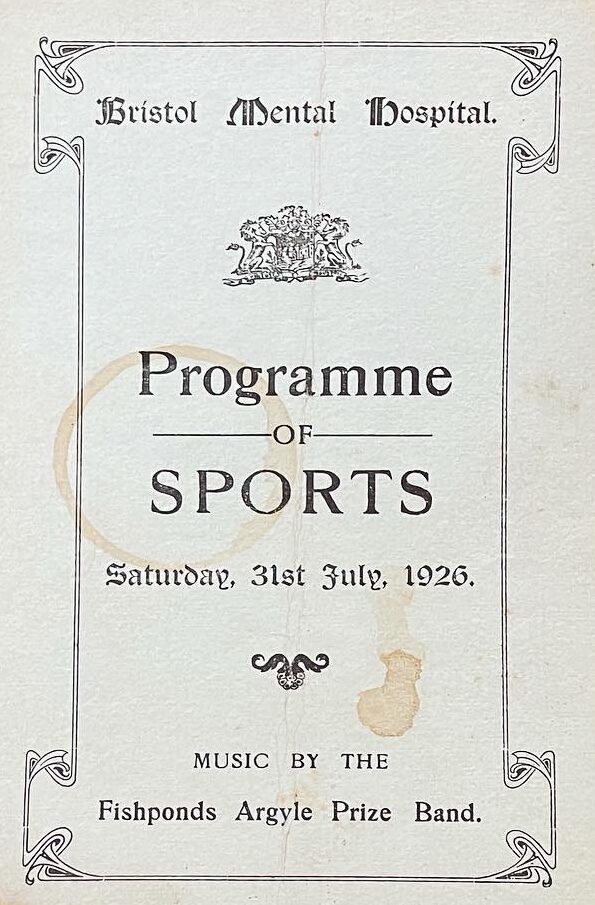
Cricket was a mainstay at the hospital, having already been established as a popular activity since at least the 1920s.
Both patients and staff enjoyed the pitch, making it a focal point of hospital life.
From its earliest days, Glenside recognised the value of exercise and recreation in supporting recovery from mental illness. Records show that in 1864 bagatelle boards and a skittle alley were provided, billiards was introduced in 1884, croquet in 1892, and bowls in 1896.
These activities were seen as vital elements of care, as they encouraged patients to partake in social interaction and adequate physical exertion, while hopefully having a sense of enjoyment in the process.
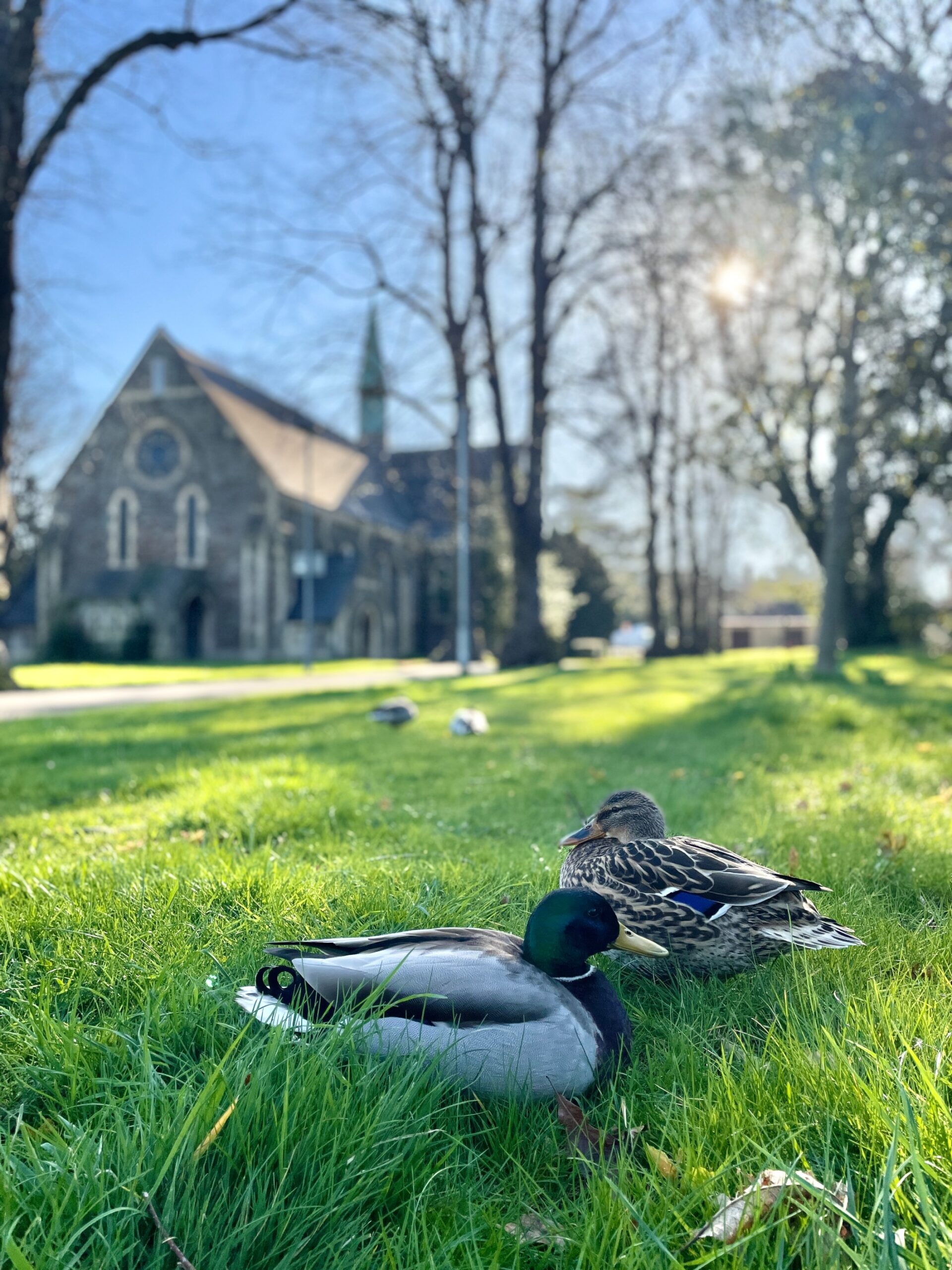
Wildlife outside Glenside Hospital Museum
Walking for wellness
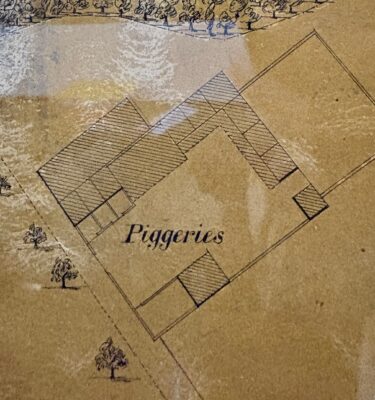
Prior to the construction of the hospital in 1861, the only residential option for "pauper lunatics" was St Peter’s Hospital in Castle Park. A sizeable building then operating as a workhouse, the part dedicated to the mentally ill was dreadfully cramped, and the only exercise space was a small paved yard.
The difference between this and the new Bristol Lunatic Asylum in Fishponds (later renamed Glenside Hospital) was a remarkable change.

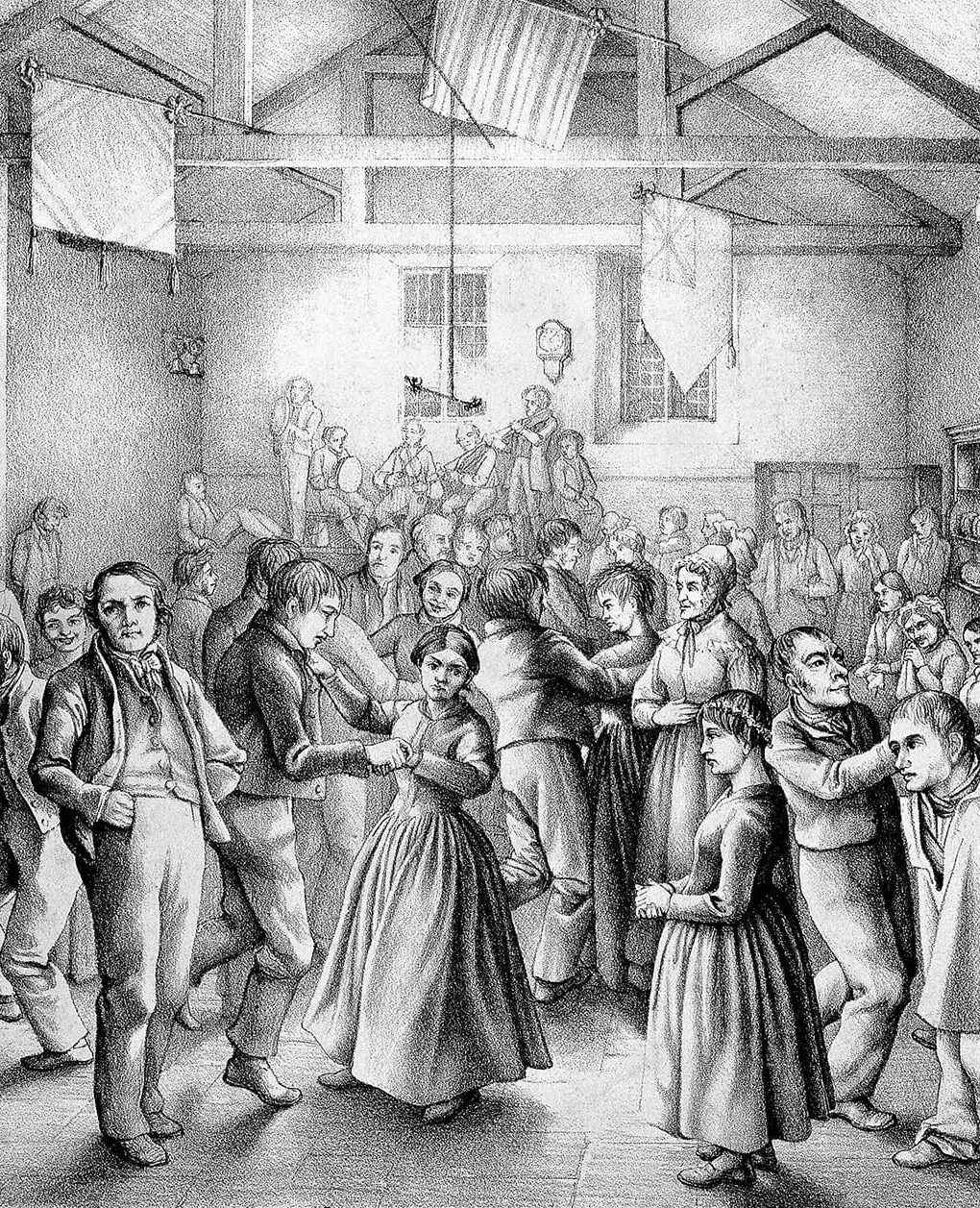
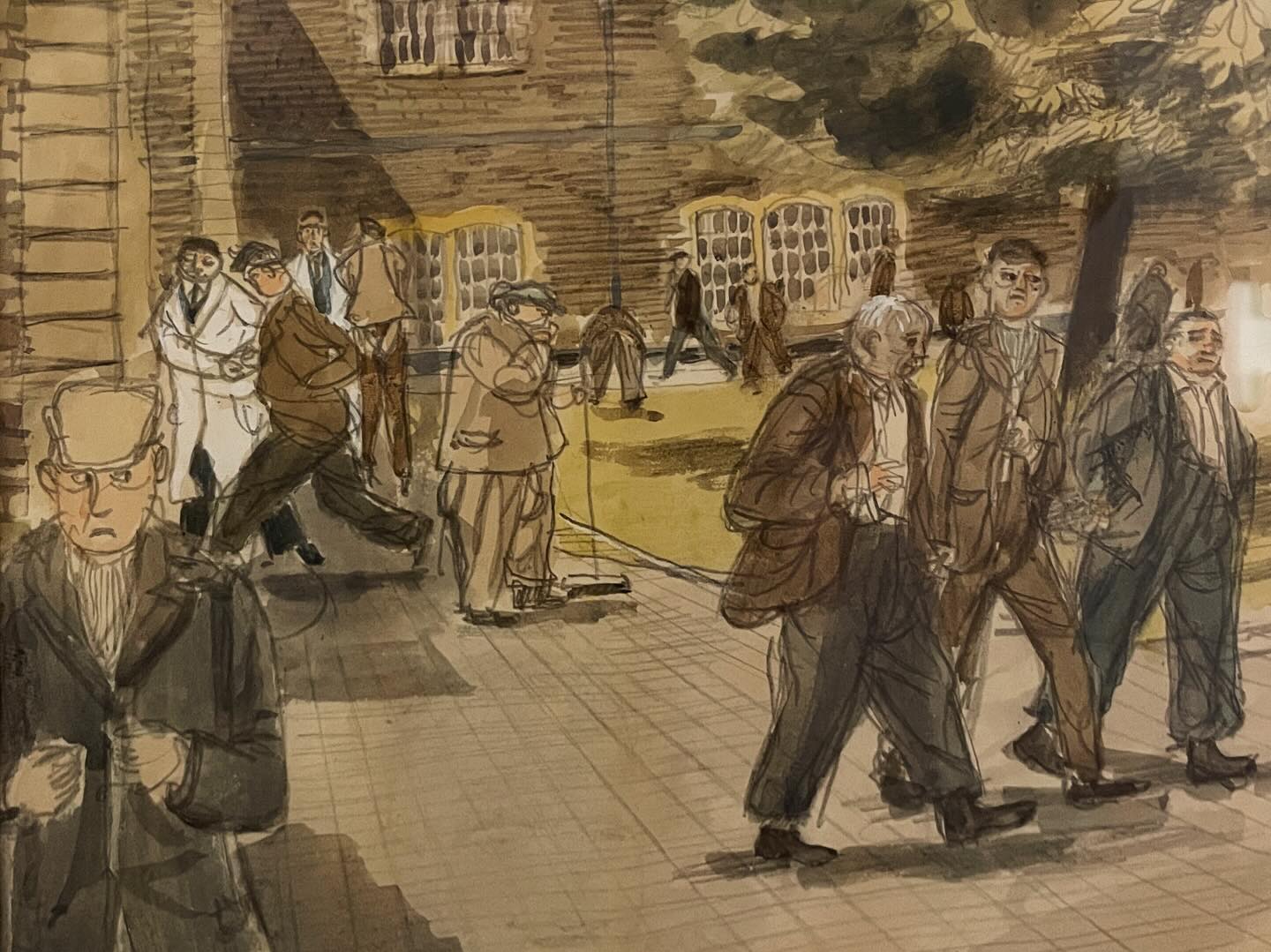
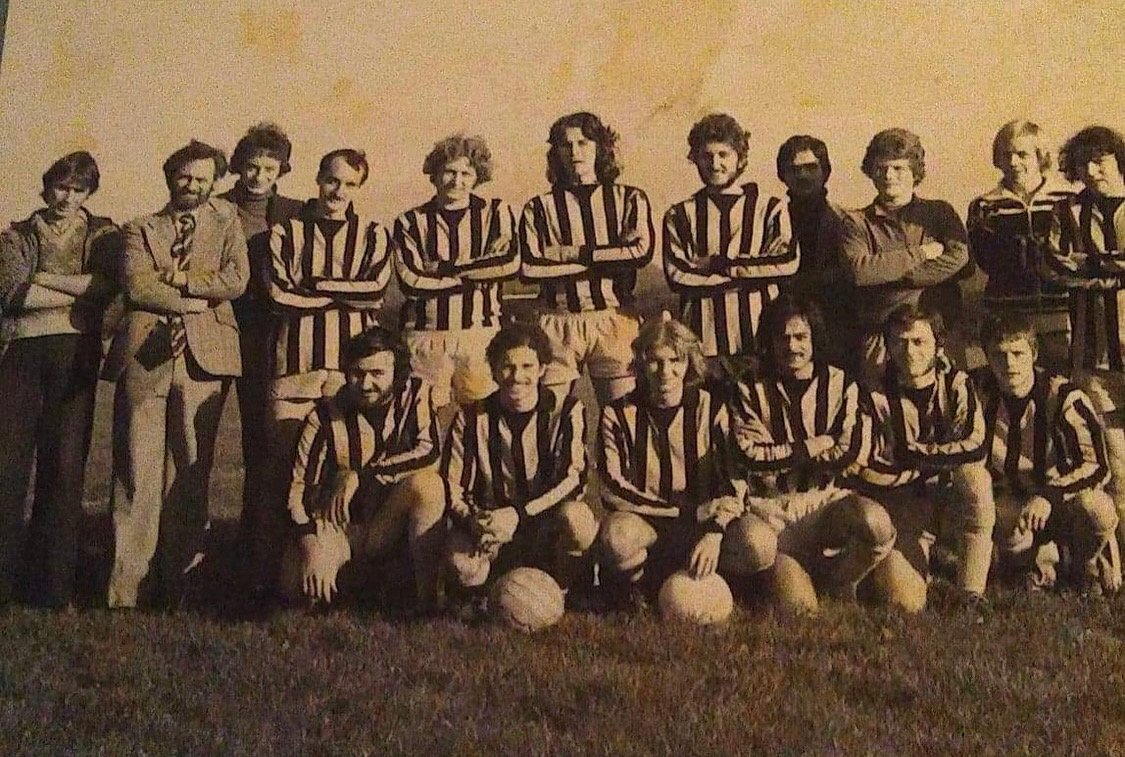
1977 Glenside Hospital football team
A timeless activity
The popularity of sports at the hospital extended far beyond the Victorian era, and continued to include not only patients but staff too.
In the 1960s, the hospital’s social club was established, offering staff a wide range of sporting opportunities. By the 1980s, the most successful teams were football and darts, both of which were run with real dedication.
In 1987 Glenside F.C. travelled to France to play a First Team game and a Veterans game against a French village team, Fouesnant F.C. The tour party consisted of around fifty people and several of the Veterans team were formerly legendary professionals including Harold Jarman (Bristol Rovers) and Ronnie Briggs (Manchester United). The tour was a great success. Other villages joined in, including Loctudy, for two further tours in 1988 and 1989.
Aside from the most popular sports, staff could participate in snooker, athletics, cricket, skittles, fishing and even sailing!
If a particular sport wasn’t already on offer, employees were free to set up a team of their own, ensuring there was always something for everyone to enjoy.

Doctors taking part in the Glenside Olympics
The 1984 Glenside Olympics
Sport was also a highlight of Glenside Hospital’s annual fetes, organised by the League of Friends to raise funds for the hospital. Reflecting the strong culture of physical activity, games and competitions often played a central role in these regular community events.
It was once not an uncommon question at psychiatric institutions for prospective staff to be asked about their sporting achievements at the recruitment stage, and what they might offer the hospital teams.
In 1984, to coincide with the Summer Olympics in Los Angeles, staff organised their very own “Glenside Olympics” on the football field, an area which now comprises part of Blackberry Hill Hospital.
Many enthusiastically signed up to take part, bringing a spirit of fun and friendly rivalry to the occasion.
The photograph shown here, kindly shared by Dr John Owen, captures a group of doctors at the event; Dr Owen himself can be seen at the front, holding the monkey.
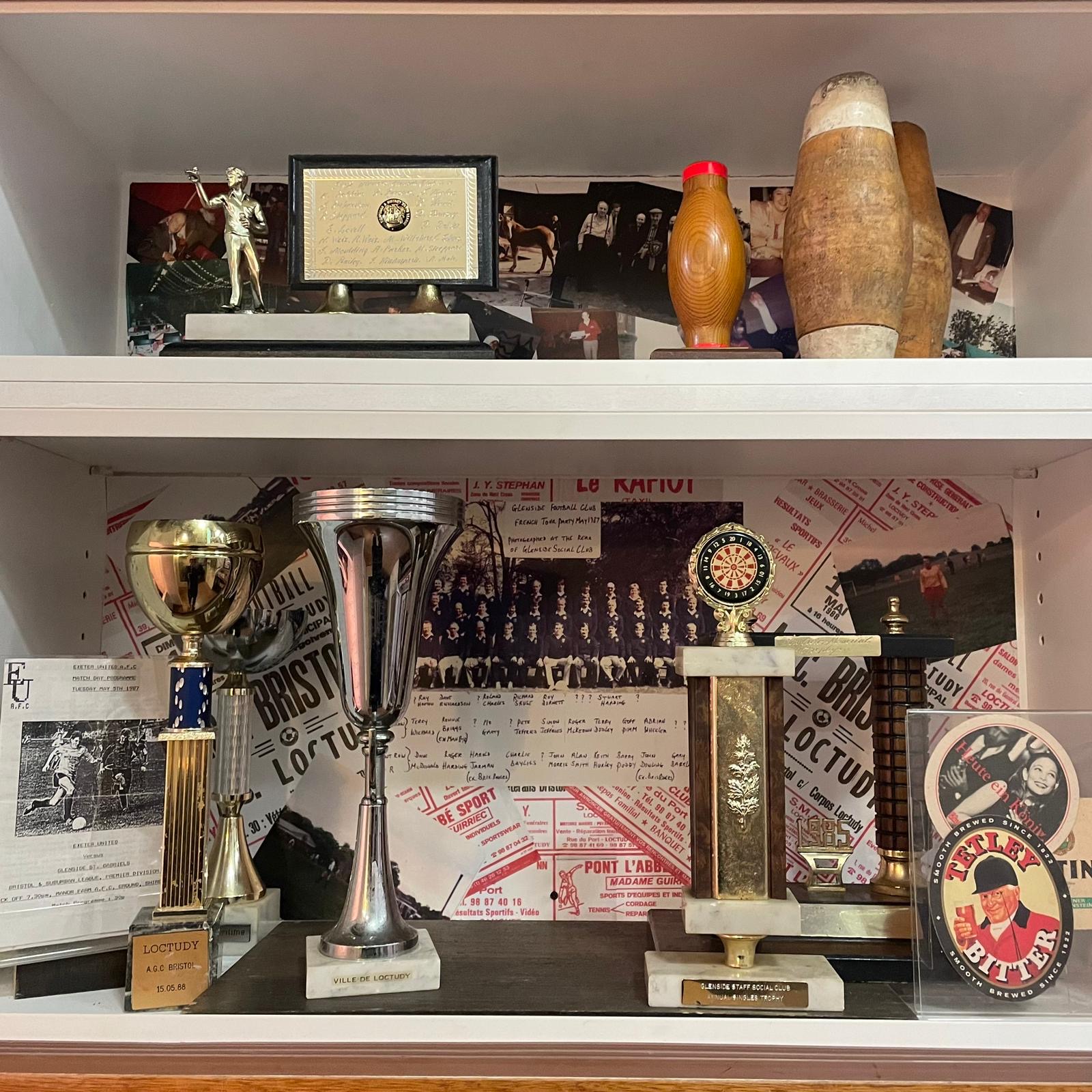
Museum display of sporting trophies
A lasting legacy
In an era long before any meaningful medication could be administered, exercise was a core part of early treatment at the Bristol Lunatic Asylum. It gradually evolved over the years but remained central to life at the hospital, for both patients and staff, until its closure in 1994.
In recognition of the lasting role that exercise played at Glenside Hospital, our museum has preserved a large collection of memorabilia and trophies.
These artefacts can be seen in our display dedicated to the hospital’s social club, offering visitors a glimpse into the vibrant sporting life that once thrived here.

Explore the 5 pillars of early mental health care via the following blog posts:
Better still, pay us a visit at the museum or visit us virtually using the Bloomberg Connects app.


Contact us about the museum