Sleep and sanity: Why is rest so important?
Beyond bricks and mortar: hospital design to heal the mind
The 5 pillars of historic mental health care
At Glenside Hospital Museum, our collection offers a detailed insight into how Victorian county asylums set out to care for people experiencing mental illness. Despite the bleak stereotypes, these institutions were originally envisioned as safe, structured places where patients could recover with dignity.
Care in these asylums centred around five key pillars: nourishing food, gentle daily exercise, meaningful occupation, ample rest, and a homely environment designed to lift the spirits. Together, these principles formed the foundation of what was then considered progressive mental health treatment.
This blog is one instalment within a five-part series exploring how Glenside Hospital put these ideals into practice. Each instalment will reveal a different aspect of historic care, drawing on stories and objects from our collection to bring the past to life.
Farm produce and sociable dining
The story of hospital food at Glenside
Blessed with the scientific discoveries of today, we know that diet plays a vital role in mental health. For example, links such as the bi-directional effect of the gut-brain-microbiome axis on mood, and omega-3’s positive impact on anxiety and depression are now well documented.
When Glenside Hospital originally opened as Bristol Lunatic Asylum in 1861, Victorian medics had no such knowledge but simply observed that fresh produce improved patients’ health. The institution faced a particularly challenging issue in the way of providing hygienic drinking water, for many years offering beer as a safer substitute.
The weekly menu was initially repetitive but of good quality, largely thanks to the asylum’s farm and gardens. For many poorer patients, this diet would have felt plentiful compared to life outside.
Cheers to a beer...for good health?
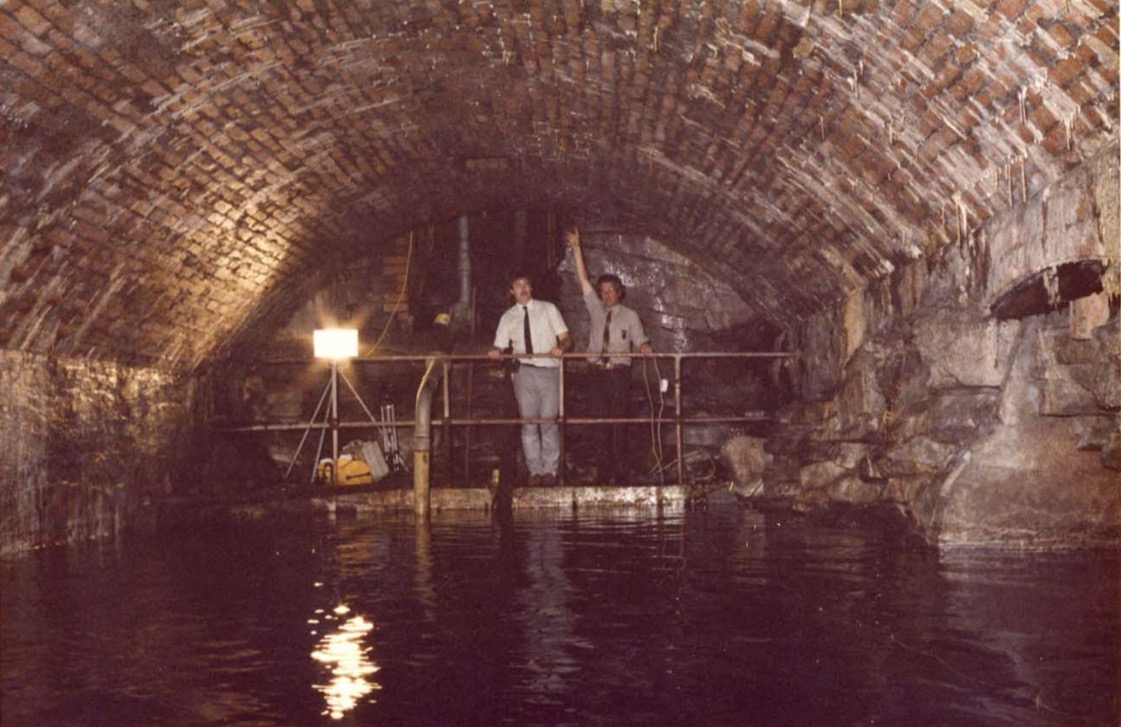
The Glenside Hospital reservoir, 1980s
Despite being so close to ample water (the river Frome flowing just metres away from the rear of the hospital) one major problem with which the hospital had to contend was having no fresh water supply.
The limited resources at the asylum often saw 5 or 6 patients sharing their drinks from one mug. This low standard of hygiene and contaminated water meant hospital cases of typhoid fever were frequent, and occasionally proved deadly.
Following an unprecedented drought, which saw water being carried to the hospital in carts, 6 acres of land were bought beside the Frome. A tank containing 5,000 gallons of water was sunk beside the river and a pump and engine were bought to raise it to the hospital, if necessary.
From 1877 the hospital was supplied with water by the Bristol Water Works.
In addition to the main water supply, a one million gallon spring fed reservoir was created in a brick-built arched structure below the front lawn, and still exists to this day.
Until a clean water source had been secured, beer had been an entirely ordinary part of the patients' diet. In 1883, with the water safe to drink the routine imbibing of beer ceased. Medical superintendent Dr Thompson had declared it to be of no dietetic value "or if it had any, that value was counterbalanced by the deleterious effect, moral and physical which it had."
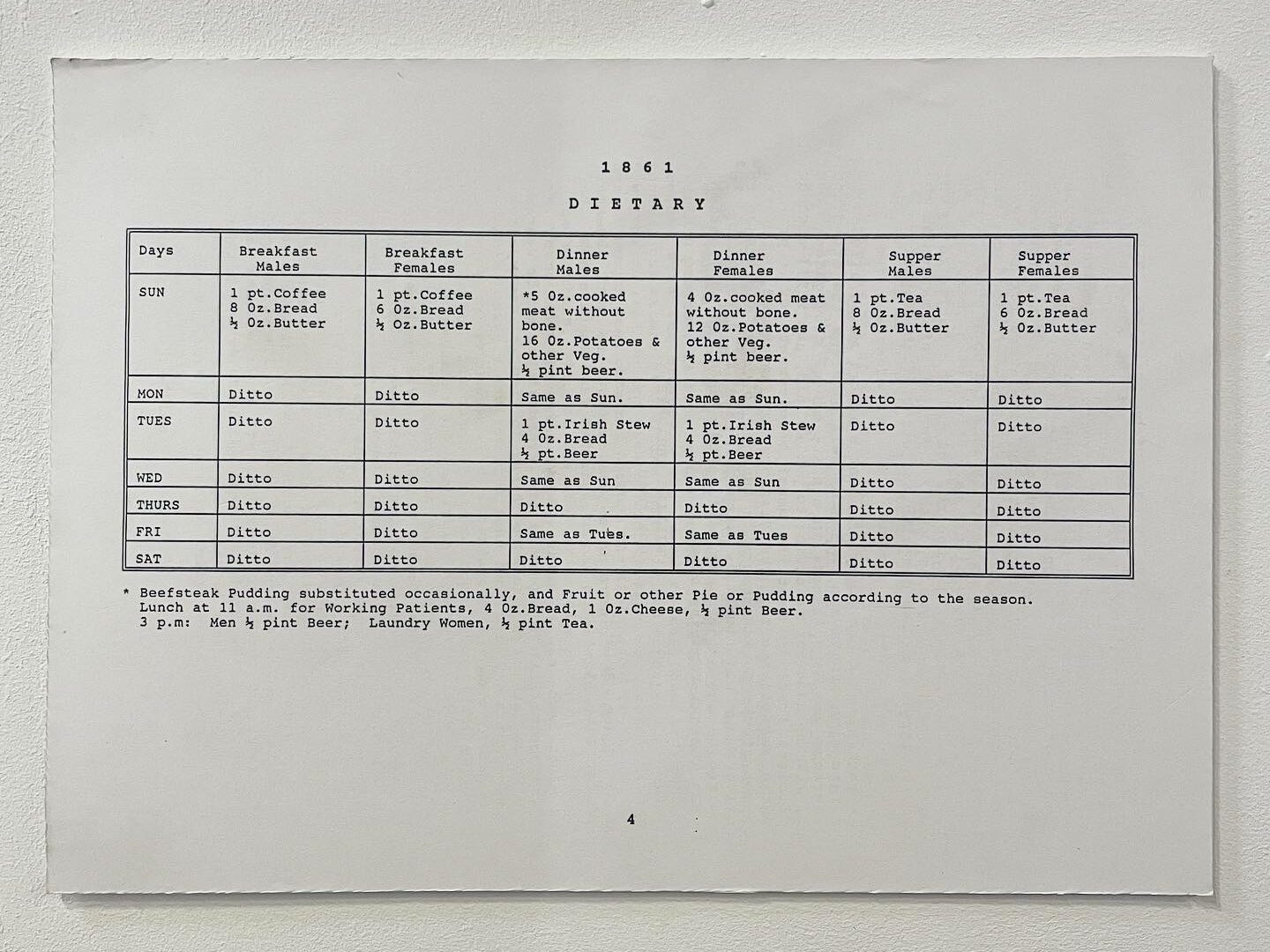
1861 dietary chart from Bristol Lunatic Asylum
‘Good roast beef with potatoes, cabbage and gravy’
Above is a copy of the weekly dietary schedule from 1861. We are fortunate to have access to some patients' experiences of the hospital food during the 1861-1900 period at the asylum.
Arthur Nichols and John Weston's experiences can be compared to both the official reports from the Asylum Visitors and Commissioners and other documentation on the hospital's farm and menus.
Most of the time Nichols viewed the food quite favourably, which is interesting considering he was from a fairly middle-class background.
Dr Paul Tobia, a researcher at Glenside Hospital Museum has collated a fascinating blog post detailing these accounts here.
Did you know?
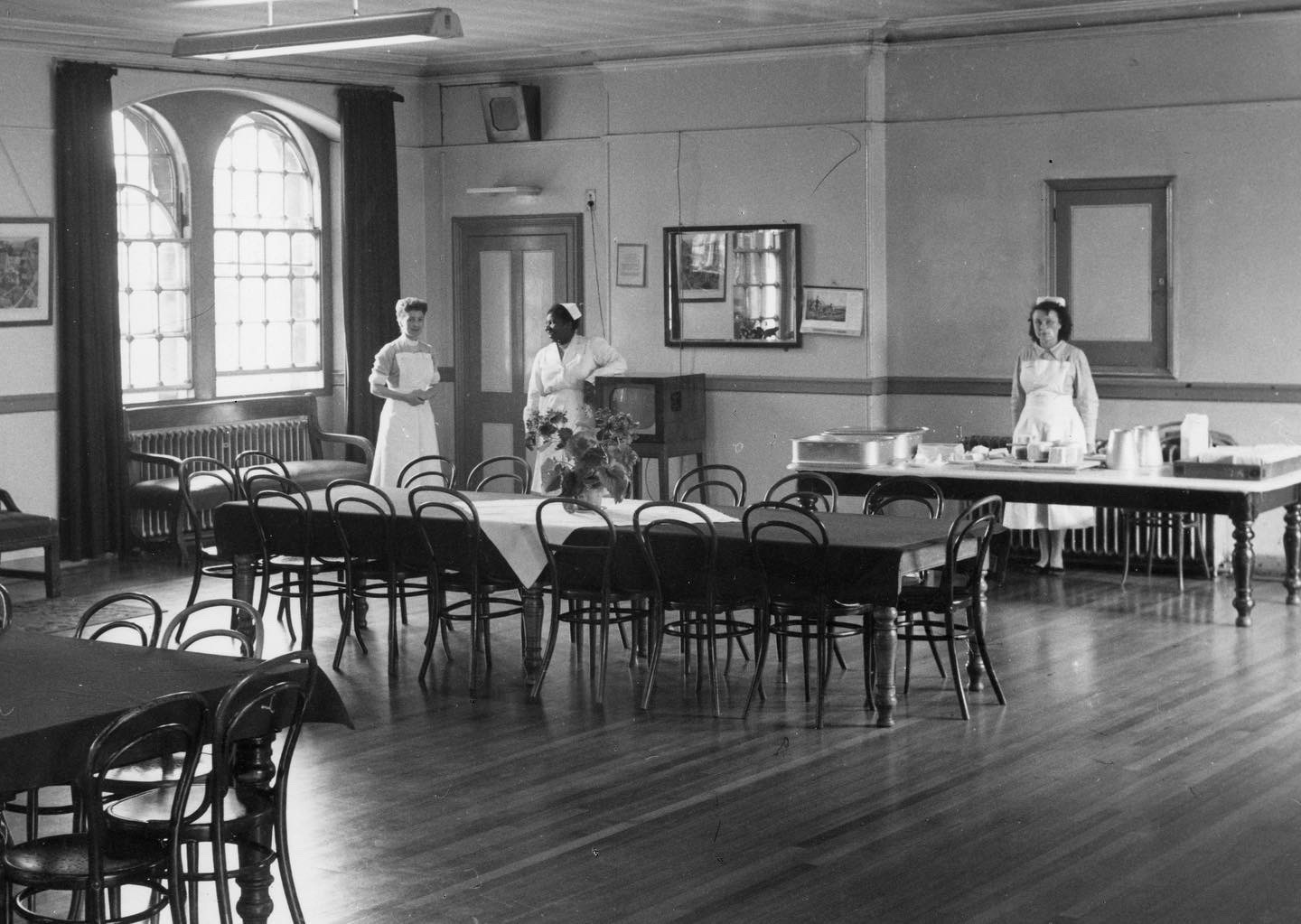
Glenside Hospital in the 1950s
A homely dining experience
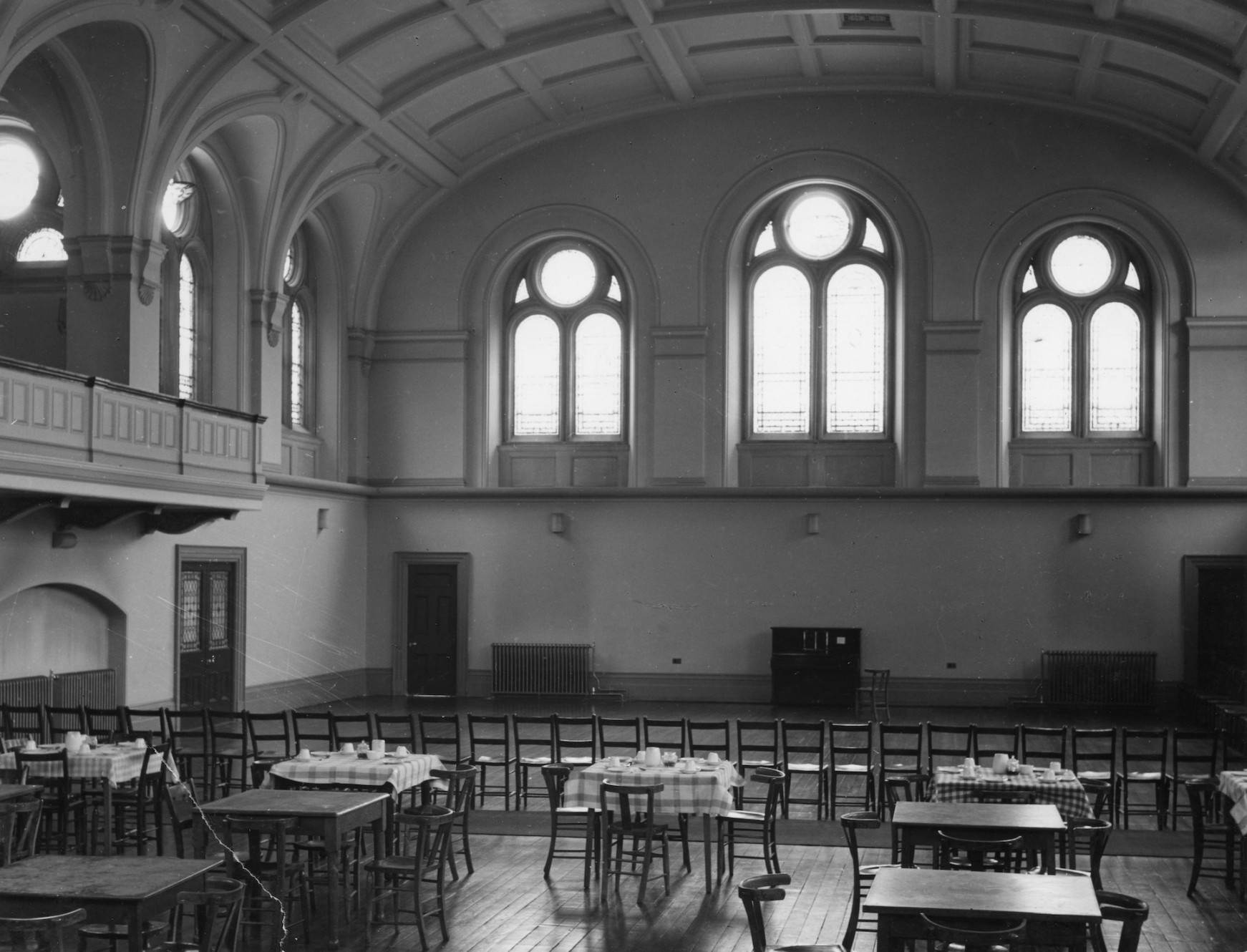
The staff dining experience at Glenside canteen/dining hall
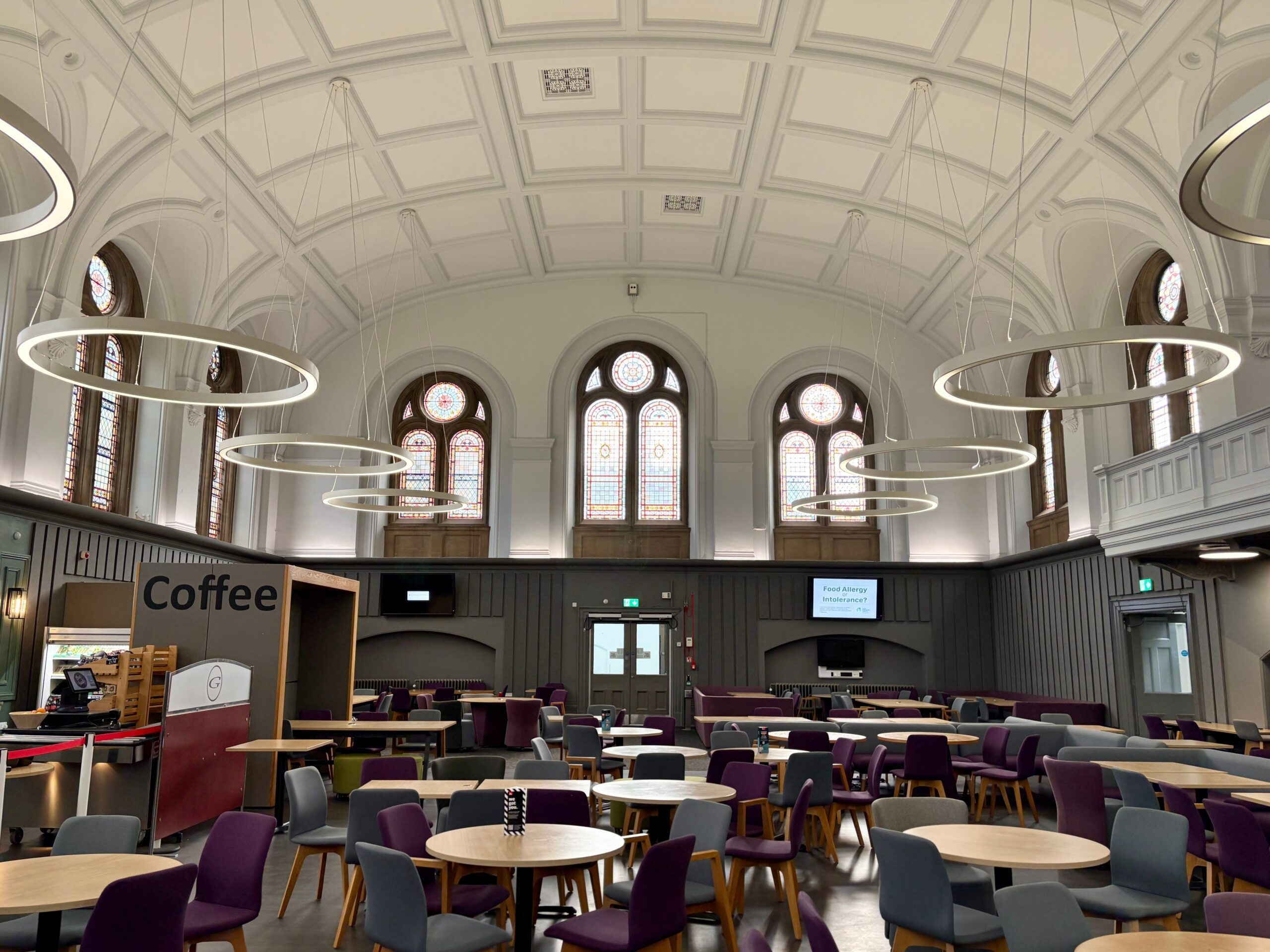
In 2025, now The Hub at UWE Glenside Campus
Memories of Glenside Hospital food
Gail Milton, a nurse at Glenside in the 1980s has fond memories of the hospital food:
The food at Glenside was amazing. Cooked breakfast. Hot meal at lunch. Three options. The evening meal was also good with choices.
While I was there the patients always ate on the wards, always sat together at tables. Mealtimes were really social.
On Sunday afternoons, mainly on the rehab wards H and M ward the staff would make a lovely buffet with sandwiches and other things.
As an occasional treat, the patients were sometimes bought fish & chips from a takeaway to enjoy in their ward.
Of the staff dining experience Gail recalls:
The staff ate in the canteen, and patients would often wander in looking for cigarette butts.
The food was awesome but also cheap. Best freshly cooked omelette ever!
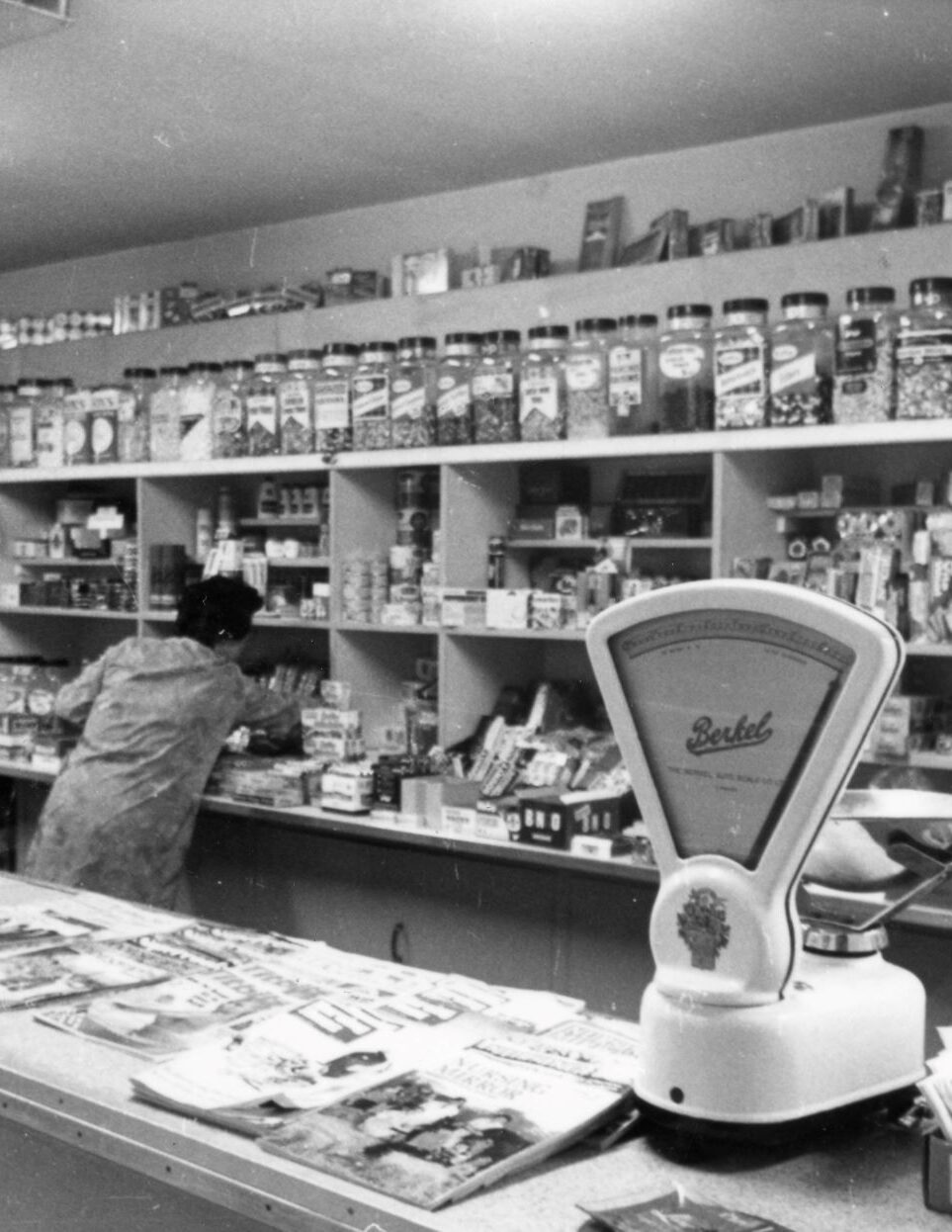
The tuck shop
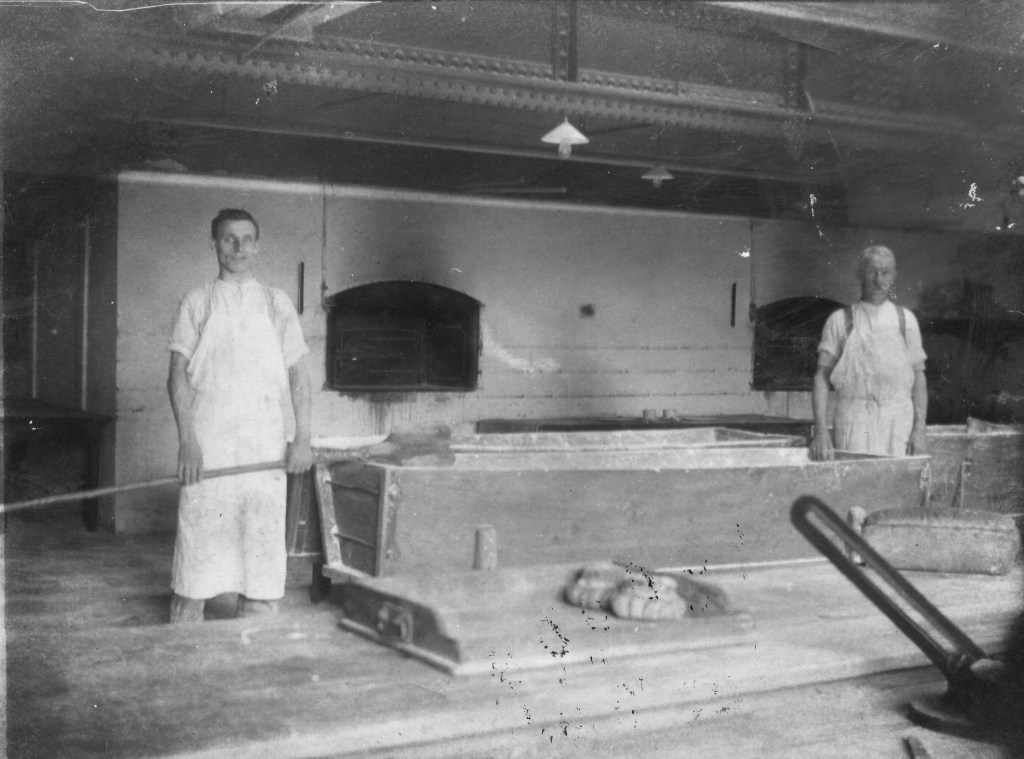
The hospital bakery
“Under the National Health Service the hospital management committee chaired by Alderman Burgess gave the wind of change an acceptable direction.Initially there was often a wish to retain old fashioned practises, e.g. by appointing additional staff to provide services which were rapidly becoming out-dated.They appointed two confectionery bakers to provide on site provision of confectionery for the patients. Usually their decisions tended to be liberal.They decreed the end of lavish luncheons which used to be separately served to Committee Members and invited them to partake of their meals with hoi polloi in the hospital canteen.”
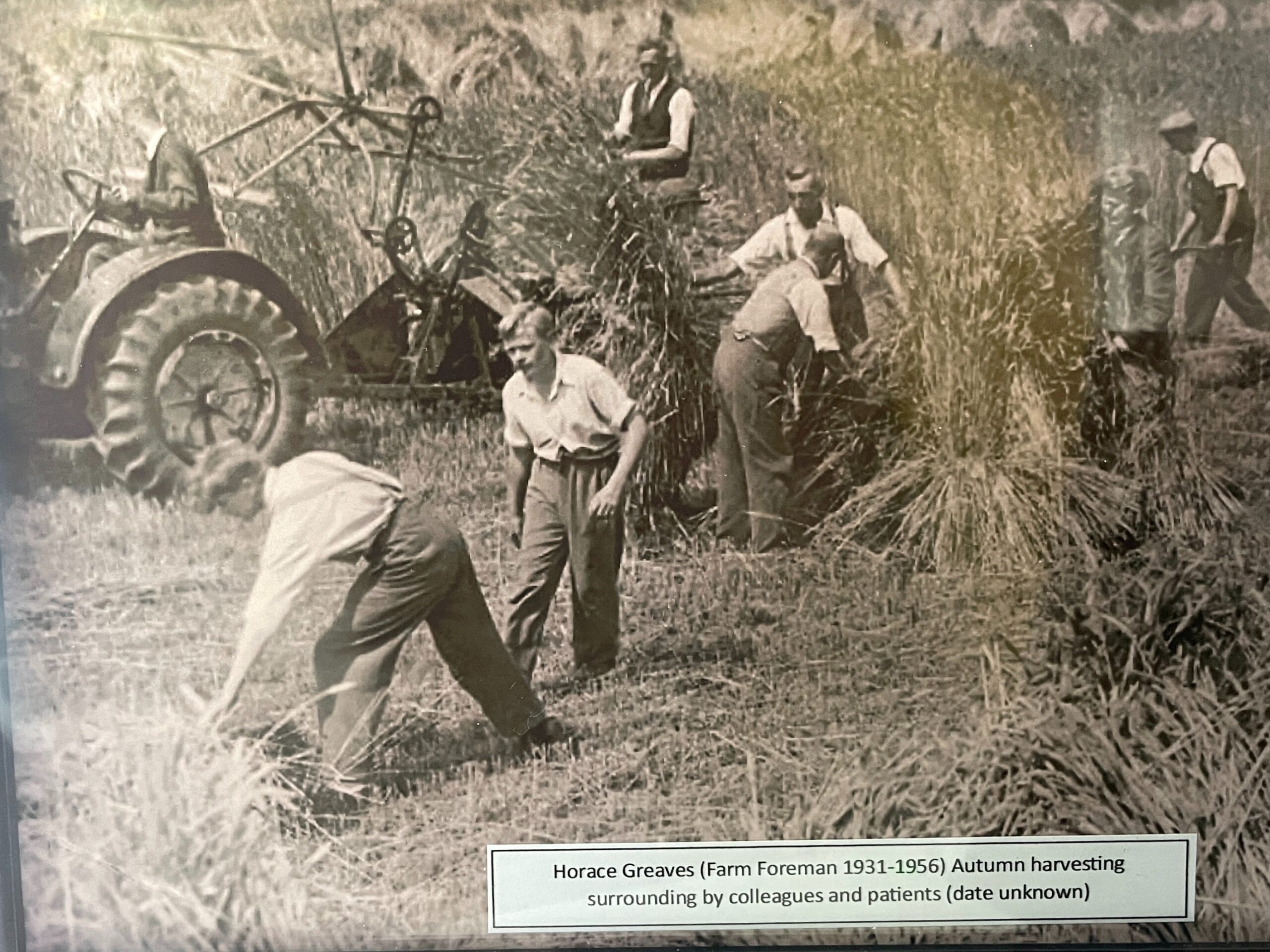
Glenside Hospital farm foreman Horace Greaves with colleagues and patients on the farm
Fresh produce from the hospital farm
A lasting legacy
An ample supply of good quality food was one of the founding principles at the hospital, to optimise care and maximise patient recovery from mental illness.
Despite the demise of the farm and gardens during the hospital's NHS era, hearing the gastronomic adventures of Glenside nurses from the 1980s it is reassuring to hear that food offerings remained strong for both staff and patients.

Explore the 5 pillars of early mental health care via the following blog posts:
- Beyond bricks and mortar: hospital design to heal the mind
- Movement as medicine: exercise in early mental health care
- Sleep and sanity: why is rest so important?
- Occupational health: the healing power of purpose
Better still, pay us a visit at the museum or visit us virtually using the Bloomberg Connects app.


Contact us about the museum